Case Study
Case study Beetle invasion! Donec faucibus feugiat nulla, id molestie dui lobortis at. Quisque bibendum urna in posuere pulvinar. Donec luctus nulla sit amet elementum fermentum. Learn more Monitoring beetle invasive species in South France Lorem ipsum dolor sit amet, consectetur adipiscing elit. Praesent laoreet nec nisi at gravida. Orci
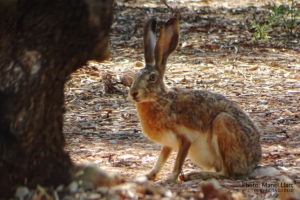
MyxoHares: Unravelling the genomic landscape of myxomatosis susceptibility in Iberian hares
Case study MyxoHares Disease outbreaks like mixomatosis among Iberian hares are important threats to wildlife and can cause cascading disruptive effects in ecosystems. Learn how cutting-edge genomics provide essential tools to mitigate and control the spread of these types of diseases. Learn more Unravelling the genomic landscape of myxomatosis susceptibility
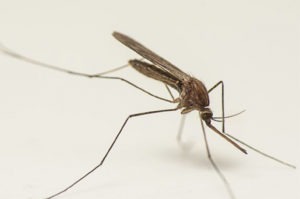
Analysing the genomic basis of vectorial capacity and insecticide resistance in Culex species using reference genomes and population genomics.
Case study Culex mosquitoes Full genome sequencing can be crucial to understand how mosquitos spread diseases and how resistant they are to insecticides. Learn more Analysing the genomic basis of vectorial capacity and insecticide resistance in Culex species using reference genomes and population genomics. María José Ruiz López (Estación Biológica de
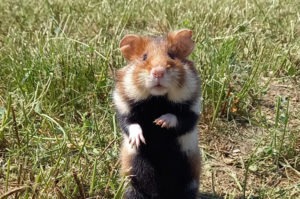
Under pressure: population genomics in the Pannonian lineage of the Critically Endangered European hamster
Case study European hamster Hamsters are just cute. But they are also endangered in most parts of Europe. Learn how our partners from the Hungarian Natural History Museum are trying to fight their decline. Learn more Under pressure: population genomics in the Pannonian lineage of the Critically Endangered European hamster
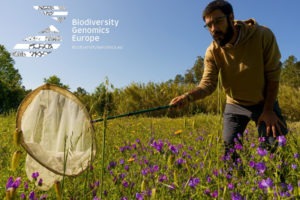
Assessing the potential impact of Small-Scale Farming on the genetic variability and adaptation of pollinators
Case study Farming and pollinators Enhancing our scientific understanding of the genetic status of three important wild bee species. Learn more Assessing the potential impact of Small-Scale Farming on the genetic variability and adaptation of pollinators Octávio S. Paulo and André F. Henriques are members of the ERGA Portugal and
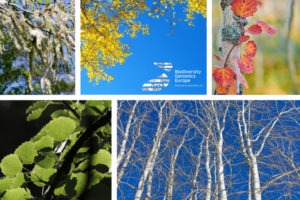
Biologists sample aspen trees from across Northern Scandinavia
Case study New collection of aspen trees! Plant biologists from Umeå Plant Science Centre in northern Sweden are excited to be sampling the first individuals from a new collection of aspen trees. Learn more Biologists sample aspen trees from across Northern Scandinavia Nathaniel Street is Professor of Forest Tree Genomics
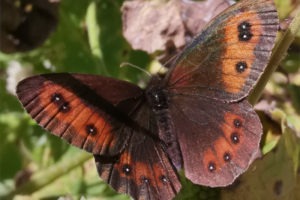
Genomic resources for alpine butterfly conservation in the face of climate change
Case study Conserving Alpine Butterflies Scientists from the Swiss University of Neuchâtel investigate the genomes of European butterflies to learn more about their evolution and predict how different species will cope with the changing climate. Learn more Genomic resources for alpine butterfly conservation in the face of climate change Camille
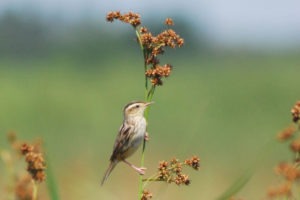
Conservation genomics of the aquatic warbler, a specialist bird breeding in declining mire habitat
Case study Genomics supports aquatic warbler conservation A high-quality reference genome and new population-level genomic data will have a direct impact on the conservation management of the aquatic warbler, a threatened bird species from the central-European fen mires. Learn more Conservation genomics of the aquatic warbler, a specialist bird breeding
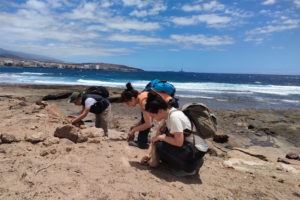
A new reference genome for the conservation of coastal spider species in the face of anthropogenic change
Case study New Genome for a Spider Endemic to Tenerife The genome of a unique beach-dwelling spider species, endemic to Tenerife, will be a crucial resource for studying the impact of human-induced changes on this species and its adaptive potential. Learn more A new reference genome for the conservation of
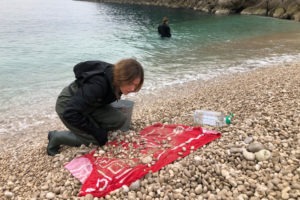
Towards an ecosystem-based gravel beach management in Croatia
Case study Endemic Clingfish genomes Clingfish genomics helps develop sustainable, ecosystem-based management strategies for Croatia’s unique gravel beaches. Learn more Towards an ecosystem-based gravel beach management in Croatia Maximilian Wagner is part of ERGA (Croatia) and participated in the creation and sampling of several reference genomes in the ERGA and
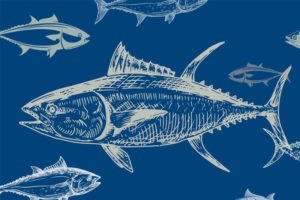
From ancient DNA to modern conservation: Assessing human impact on Atlantic bluefin tuna Genomes
Case study Ancient Tuna Genomes An international team of scientists traces human-driven evolution of the Atlantic bluefin tuna from ancient to modern times, providing insights to support sustainable conservation strategies. Learn more From ancient DNA to modern conservation: Assessing human impact on Atlantic bluefin tuna Genomes Piergiorgio Massa is a
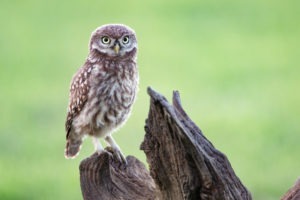
Enhancing the Long-term Viability and Reducing Extinction Risk of the Little Owl in Europe
Case study Studying Historical DNA to help protect the Little Owl Researchers from the Globe Institute at the University of Copenhagen will sequence genomes from modern, recent, and historical little owl samples across Europe, offering insights into the species genomic erosion and adaptive potential. Learn more Enhancing the Long-term Viability
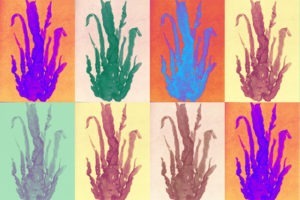
New reference genomes for European red algae
Case study New reference genomes for European red algae Establishing reference genomes for two red macroalgae (Porphyra dioica and Porphyra linearis): coupling genomic information to complex life cycle variation Learn more Establishing reference genomes for two red macroalgae (Porphyra dioica and Porphyra linearis): coupling genomic information to complex life cycle
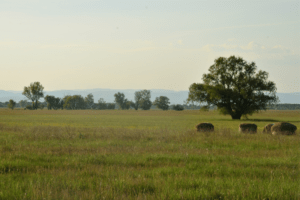
A High-Quality Reference Genome of one of the Rarest European Mammals, the Hungarian Birch-mouse (Sicista trizona trizona, Sminthidae, Rodentia)
Case study A High-Quality Reference Genome of one of the Rarest European Mammals, the Hungarian Birch-mouse The study will provide a high-quality reference genome for the Hungarian birch mouse, which will assist a population genomic study at the single locality, representing the only known population of the subspecies, managed by

Connecting past and future: range-wide genomic monitoring for Arnica
Case study Bringing Arnica conservation research to a new level A new reference genome for the popular medicinal plant Arnica montana will support a new scheme for monitoring diversity and changes in the species’ genome through time and space. Learn more Connecting past and future: Range-wide genomic monitoring for Arnica
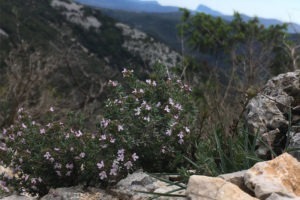
Mapping the genomic basis of common thyme aromatic diversity and its adaptive significance for ecotype formation and climate change adaptation
Case study Mapping the genomic basis of common thyme aromatic diversity and its adaptive significance Thyme’s diverse chemotypes provide adaptation to different habitats, and climate change is driving shifts in these traits. A new reference genome will help protect this diversity and support Mediterranean ecosystems. Learn more Mapping the genomic
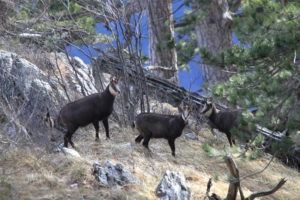
Genetic adaptation of Northern chamois ecotypes to climate change and habitat loss
Case study Genetic adaptation of Northern chamois ecotypes to climate change and habitat loss Scientists from Bosnia and Herzegovina, Serbia and Slovenia investigate the genomes of Northern chamois ecotypes to learn more about their adaptive genetic variation and evaluate the resilience of populations in the face of environmental change. Learn
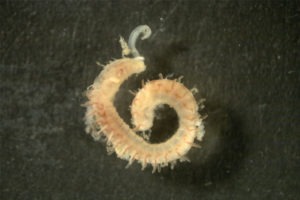
Alien Polydora (Annelida: Spionidae) oysters’ pests in the Adriatic Sea
Case study Alien Polydora (Annelida: Spionidae) oysters’ pests in the Adriatic Sea Researchers from Italy and Croatia join their forces to study alien species of the polychaete genus Polydora, invading farmed oysters in the Adriatic Sea, with the support of BGE funding. Learn more Alien Polydora (Annelida: Spionidae) oysters’ pests
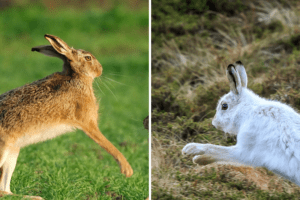
Reference genomes illuminate the colonisation histories, adaptation, and hybridisation of two hare species
Case study Reference genomes illuminate the colonisation histories, adaptation, and hybridisation of two hare species In Finland, climate change is driving the expansion of brown hares at the expense of native, cold-adapted mountain hares. Researchers from the University of Eastern Finland apply genomics to unravel the dynamics of this shift.
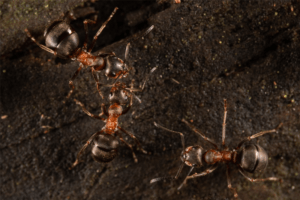
Wood Wide Ants (WWA): genomics over space and time of the keystone forest species Formica paralugubris
Case study Wood Wide Ants (WWA): genomics over space and time of the keystone forest species Formica paralugubris The Wood Wide Ants (WWA) project studies populations of the threatened wood ant Formica paralugubris, a keystone forest species, including samples from native and introduced populations. Learn more Wood Wide Ants (WWA):
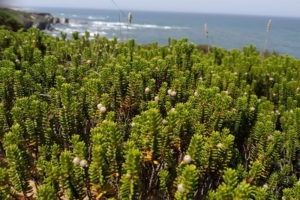
Annotating the Corema album Genome: A Step Toward Coastal Ecosystem Conservation
Case study Annotating the Corema album Genome: A Step Toward Coastal Ecosystem Conservation Researchers launched a groundbreaking project to improve the genomic annotation of the white crowberry (Corema album). This initiative seeks to deepen our understanding of this essential coastal plant species and address its conservation needs amid changing environmental
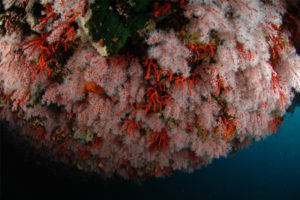
Conservation genomics of the Mediterranean red coral, Corallium rubrum
Case study Conservation genomics of the Mediterranean red coral, Corallium rubrum Scientists from CIIMAR (Interdisciplinary Centre of Marine and Environmental Research, Portugal) are leveraging genomics for the conservation of Mediterranean red coral – a key species under threat from over-harvesting and rising ocean temperatures. This project relies on an international
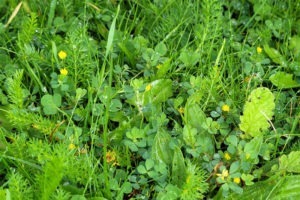
Assessing the genetic diversity of the shamrock, Trifolium dubium, across Ireland
Case study Assessing the genetic diversity of the shamrock, Trifolium dubium, across Ireland In 2023, a high-quality reference genome for Trifolium dubium, widely recognized as the shamrock, was generated as part of the ERGA Pilot Project. Researchers at University College Dublin (UCD) have been using this genome to study its
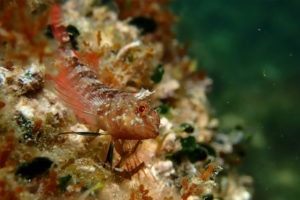
Diving into genomic discovery: Finalizing high-quality genomes of the Triplefin blenny and Adriatic dwarf goby
Case study Diving into genomic discovery: Finalizing high-quality genomes of the Triplefin blenny and Adriatic dwarf goby This case study, led by the Svardal Lab at the University of Antwerp, builds upon two recently sequenced chromosome-level reference genomes from the ERGA pilot project. It focuses on the widespread Triplefin Blenny
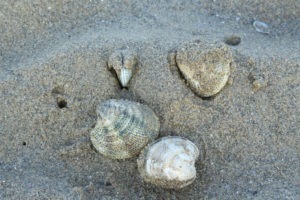
A high-quality genome for investigating the impact of microplastics on striped Venus clams (Chamelea gallina)
Case study A high-quality genome for investigating the impact of microplastics on striped Venus clams (Chamelea gallina) In June 2024, a team of researchers from the Department of Biology of the University of Padova undertook a project to sequence the genome of the striped Venus clam Chamelea gallina, with the
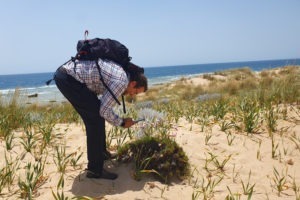
Conservation genomics of the sand-dune shrub Armeria pungens at the latitudinal edges of its distribution
Case study Conservation genomics of the sand-dune shrub Armeria pungens at the latitudinal edges of its distribution This Biodiversity Genomics Europe case study investigates genetic erosion in the Iberian sand-dune shrub Armeria pungens – a species under threat from housing, tourism and agriculture. Learn more Conservation genomics of the sand-dune shrub
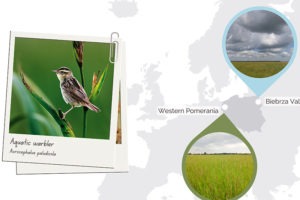
Big data and small brown birds: how whole-genome sequencing can inform conservation of the threatened aquatic warbler?
Case study Big data and small brown birds: how whole-genome sequencing can inform conservation of the threatened aquatic warbler? This Biodiversity Genomics Europe case study set out to evaluate inbreeding, effective population size and genetic bottlenecks, as well as population structure between the two distant populations of aquatic warblers. Learn