Biodiversity Genomics Europe plus

Biodiversity Genomics Europe plus (BGE+)

Harnessing the power of genomics to protect Europe’s biodiversity

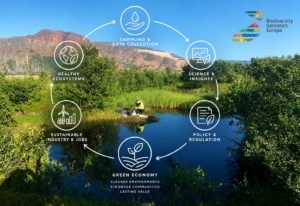
European biodiversity is under increasing pressure from human impact. To restore and protect it effectively, BGE+ will wield the power of genomic science.

By combining DNA-based technologies with taxonomic expertise, BGE+ aims to generate the knowledge needed to understand, protect, and sustainably manage biodiversity.

BGE+ connects the iBOL Europe, ERGA and CETAF communities. Find out more
Catch up with BGE+

Latest News

Dragonfaces
Case Studies

Case Study

Case study Beetle invasion! Donec faucibus feugiat nulla, id molestie dui lobortis at. Quisque bibendum urna in posuere pulvinar. Donec luctus nulla sit amet elementum fermentum. Learn more Monitoring beetle invasive species in South France Lorem ipsum dolor sit amet, consectetur adipiscing elit. Praesent laoreet nec nisi at gravida. Orci varius natoque penatibus et magnis dis parturient montes, nascetur ridiculus mus. Nunc semper mauris in velit porta, id finibus ipsum pretium. Nam pulvinar ultricies magna,

Read More »
Case Studies

Genomic resources for alpine butterfly conservation in the face of climate change

Case study Conserving Alpine Butterflies Scientists from the Swiss University of Neuchâtel investigate the genomes of European butterflies to learn more about their evolution and predict how different species will cope with the changing climate. Learn more Genomic resources for alpine butterfly conservation in the face of climate change Camille Cornet is a member of the ERGA community, participating in the ERGA effort by sequencing genomes of, among others, Erebia butterflies. Camille is part of the

Read More »
Case Studies

Biologists sample aspen trees from across Northern Scandinavia

Case study New collection of aspen trees! Plant biologists from Umeå Plant Science Centre in northern Sweden are excited to be sampling the first individuals from a new collection of aspen trees. Learn more Biologists sample aspen trees from across Northern Scandinavia Nathaniel Street is Professor of Forest Tree Genomics at Umeå University and leader of the NordAsp BGE project. Visit our homepage, labpage and read more about the T4F project at https://www.slu.se/en/Collaborative-Centres-and-Projects/trees-and-crops-for-the-future/ Photos Credit:

Read More »
Building on a vision

In the steps of BGE

BGE+ builds on the achievements of its predecessor, the Biodiversity Genomics Europe project (BGE, 2023-26), a foundational joint step in building shared capacity at the European level to accelerate the production and application of biodiversity genomic data for nature restoration and protection.

Uniting researchers across Europe

Empowering Europe’s Biodiversity Genomics Community

Through collaboration, innovation, training, and open access to data and tools, BGE+ seeks to build a stronger and more connected biodiversity genomics community across Europe, a first step towards the creation of a full-fledged European biodiversity genomics infrastructure.

Researchers, institutions, and organisations across Europe will receive opportunities to participate, collaborate, and contribute to BGE+.

BGE+ will boost innovation to enhance accessibility and standardised approaches to biodiversity genomics research.

The Knowledge Platform is the central hub to access all BGE+ outputs, resources, tools, and community-shared knowledge.

BGE will work to translate genomic knowledge into practical applications that can inform biodiversity restoration and protection policies. 

BGE+ wants to realise the potential of biodiversity genomics in Europe, building sustainable services and strong coordination across countries.

BGE+ will build capacity and enhance skills in biodiversity genomics across Europe through targeted training and knowledge transfer initiatives.

Connecting Three Communities for Biodiversity

Three Communities

BGE+ promotes an integrated approach to biodiversity research, combining genomic technologies with taxonomic expertise to generate knowledge that can boost research, conservation, and policy. For that purpose, the project brings together three large, complementary communities of practice:

iBOL Europe, ERGA, and CETAF.