Under pressure: population genomics in the Pannonian lineage of the Critically Endangered European hamster
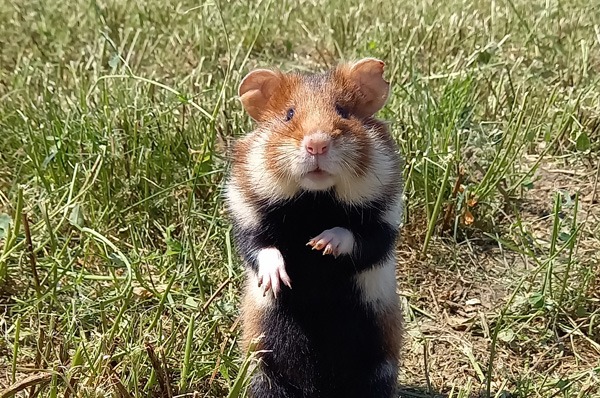
Case study European hamster Hamsters are just cute. But they are also endangered in most parts of Europe. Learn how our partners from the Hungarian Natural History Museum are trying to fight their decline. Learn more Under pressure: population genomics in the Pannonian lineage of the Critically Endangered European hamster Lajos Szatmári (HNHM); Gábor Sramkó […]
Connecting past and future: range-wide genomic monitoring for Arnica
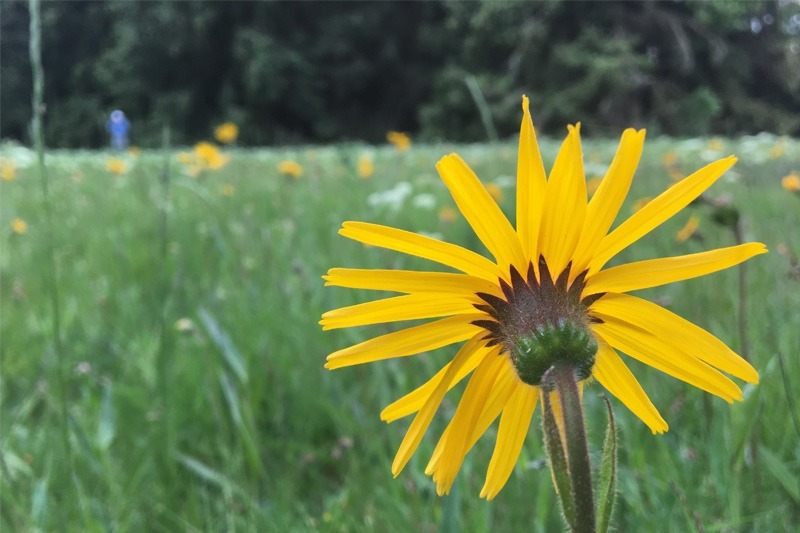
Case study Bringing Arnica conservation research to a new level A new reference genome for the popular medicinal plant Arnica montana will support a new scheme for monitoring diversity and changes in the species’ genome through time and space. Learn more Connecting past and future: Range-wide genomic monitoring for Arnica Katja Reichel works at Freie […]
A High-Quality Reference Genome of one of the Rarest European Mammals, the Hungarian Birch-mouse (Sicista trizona trizona, Sminthidae, Rodentia)
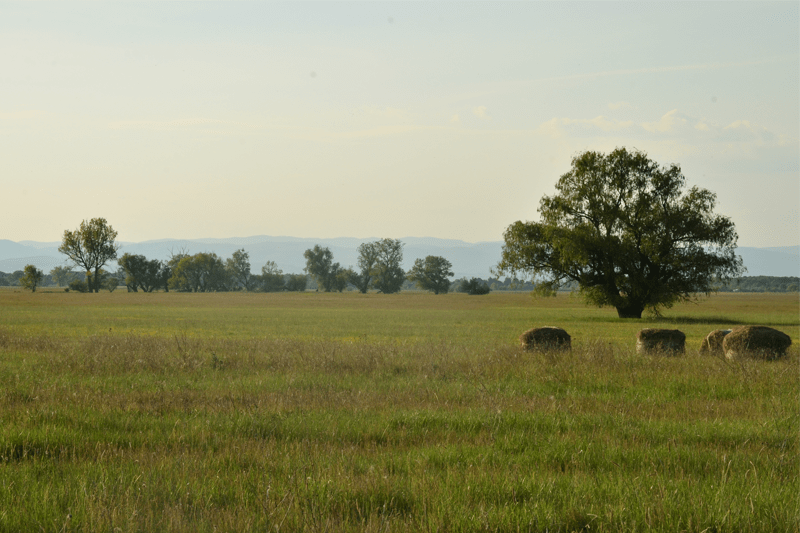
Case study A High-Quality Reference Genome of one of the Rarest European Mammals, the Hungarian Birch-mouse The study will provide a high-quality reference genome for the Hungarian birch mouse, which will assist a population genomic study at the single locality, representing the only known population of the subspecies, managed by the Bükk National Park Directorate […]
New reference genomes for European red algae
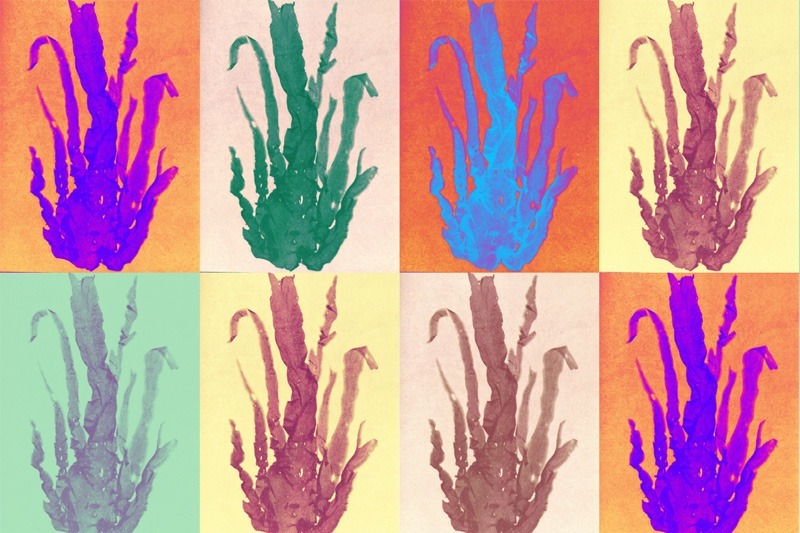
Case study New reference genomes for European red algae Establishing reference genomes for two red macroalgae (Porphyra dioica and Porphyra linearis): coupling genomic information to complex life cycle variation Learn more Establishing reference genomes for two red macroalgae (Porphyra dioica and Porphyra linearis): coupling genomic information to complex life cycle variation Prof. Olivier De Clerck […]
Enhancing the Long-term Viability and Reducing Extinction Risk of the Little Owl in Europe
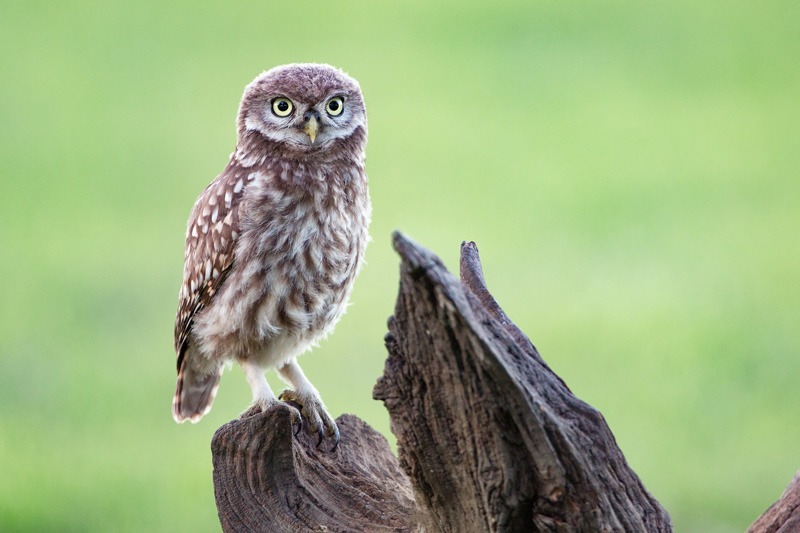
Case study Studying Historical DNA to help protect the Little Owl Researchers from the Globe Institute at the University of Copenhagen will sequence genomes from modern, recent, and historical little owl samples across Europe, offering insights into the species genomic erosion and adaptive potential. Learn more Enhancing the Long-term Viability and Reducing Extinction Risk of […]
From ancient DNA to modern conservation: Assessing human impact on Atlantic bluefin tuna Genomes
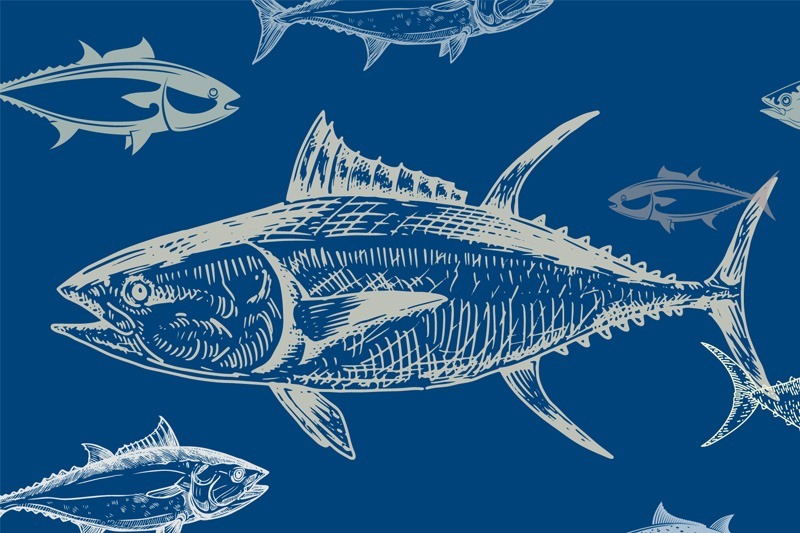
Case study Ancient Tuna Genomes An international team of scientists traces human-driven evolution of the Atlantic bluefin tuna from ancient to modern times, providing insights to support sustainable conservation strategies. Learn more From ancient DNA to modern conservation: Assessing human impact on Atlantic bluefin tuna Genomes Piergiorgio Massa is a PhD student from the University […]
Towards an ecosystem-based gravel beach management in Croatia
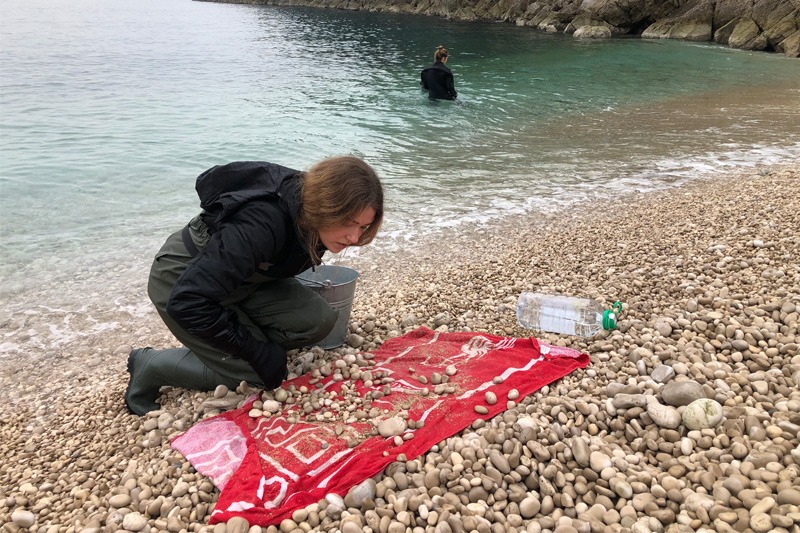
Case study Endemic Clingfish genomes Clingfish genomics helps develop sustainable, ecosystem-based management strategies for Croatia’s unique gravel beaches. Learn more Towards an ecosystem-based gravel beach management in Croatia Maximilian Wagner is part of ERGA (Croatia) and participated in the creation and sampling of several reference genomes in the ERGA and VGP pilot phase. He is […]
A new reference genome for the conservation of coastal spider species in the face of anthropogenic change
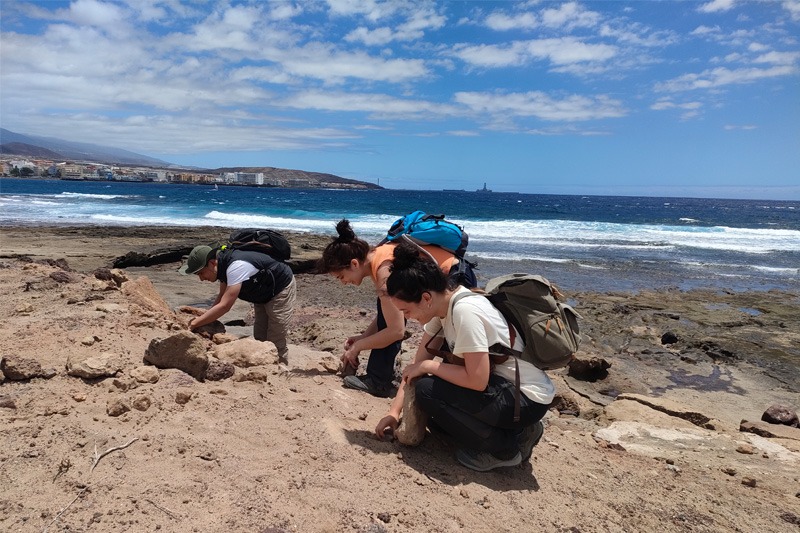
Case study New Genome for a Spider Endemic to Tenerife The genome of a unique beach-dwelling spider species, endemic to Tenerife, will be a crucial resource for studying the impact of human-induced changes on this species and its adaptive potential. Learn more A new reference genome for the conservation of coastal spider species in the […]
Mapping the genomic basis of common thyme aromatic diversity and its adaptive significance for ecotype formation and climate change adaptation
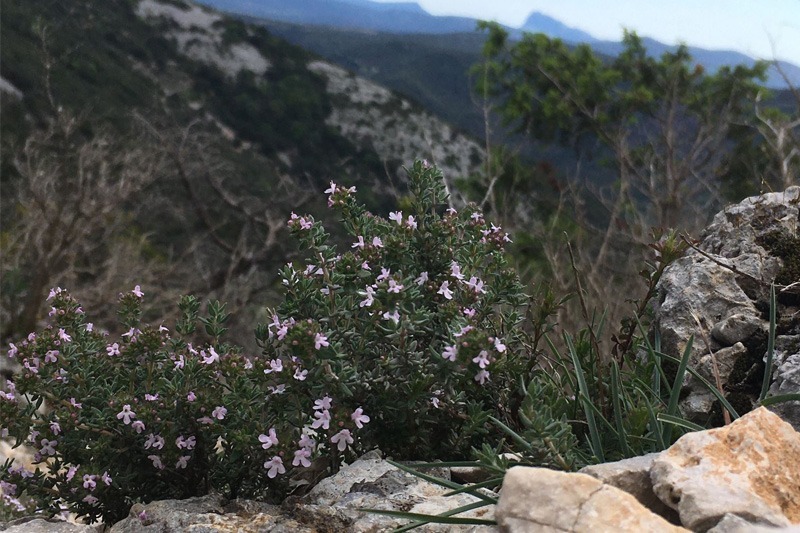
Case study Mapping the genomic basis of common thyme aromatic diversity and its adaptive significance Thyme’s diverse chemotypes provide adaptation to different habitats, and climate change is driving shifts in these traits. A new reference genome will help protect this diversity and support Mediterranean ecosystems. Learn more Mapping the genomic basis of common thyme aromatic […]
Genetic adaptation of Northern chamois ecotypes to climate change and habitat loss
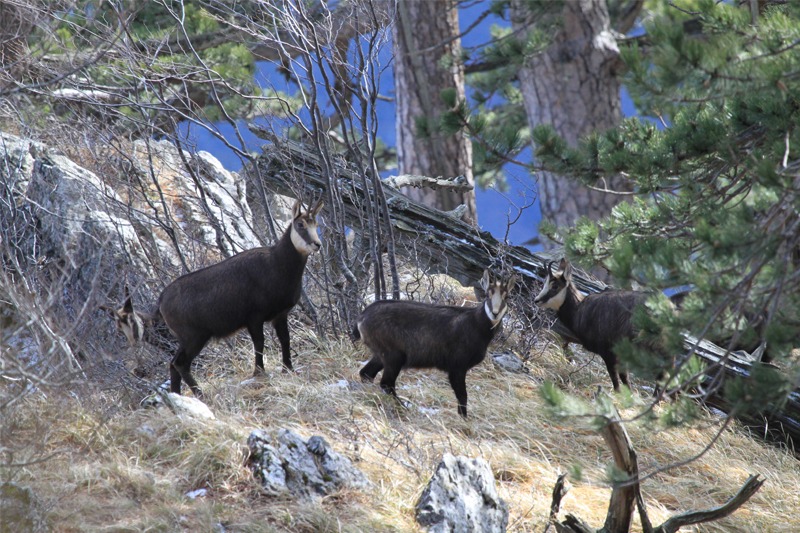
Case study Genetic adaptation of Northern chamois ecotypes to climate change and habitat loss Scientists from Bosnia and Herzegovina, Serbia and Slovenia investigate the genomes of Northern chamois ecotypes to learn more about their adaptive genetic variation and evaluate the resilience of populations in the face of environmental change. Learn more Genetic adaptation of Northern […]