Citizen Science
Citizen Science Contributions
The citizen science contributions map displays the various citizen science activities and samples collected across Europe by our dedicated citizen scientists. Participants played a crucial role in collecting arthropod bulk samples, port eDNA water samples, and individual specimens, as well as providing taxonomic expertise in the process. The map also showcases results from the different BGE sampling campaigns conducted across Europe from 2023 to 2025.
By clicking on a pin on the map, the corresponding details will be displayed.


Building reference libraries
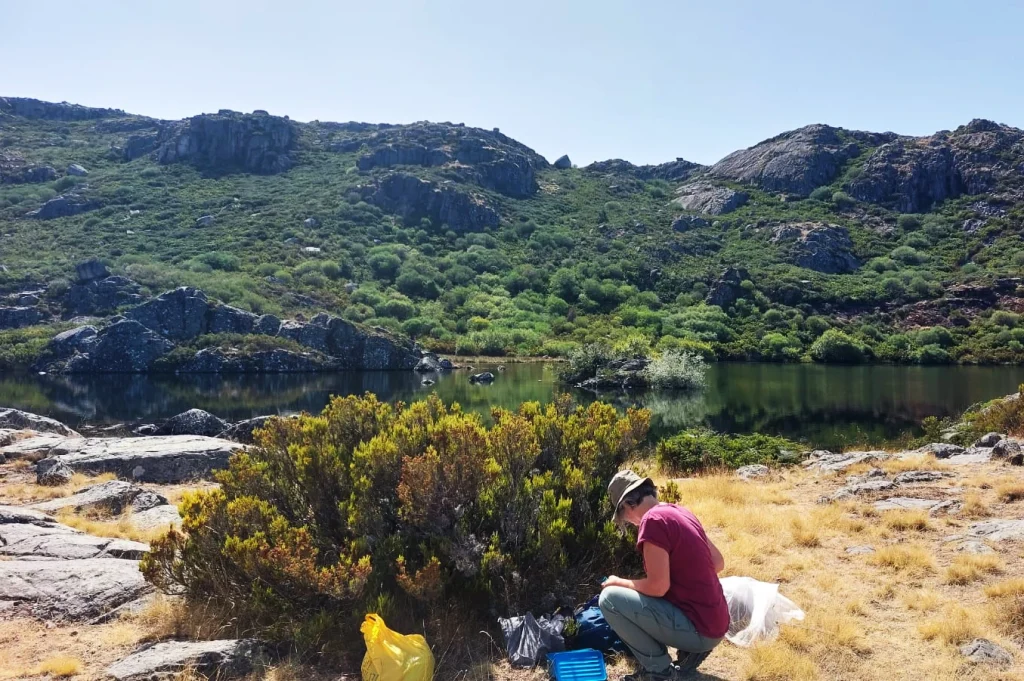
BGE aims to collect individual specimens for building the barcode reference library as well community samples for the analyses of invertebrate communities in terrestrial and marine realms. For this, citizen scientists were involved in three different activities:
- Amateur specialists collect, identify, photograph and submit individual insect specimens for barcoding.
- Citizens and stakeholders (e.g. national park rangers) service and maintain the insect traps for flying insect fauna at mountains across Europe.
- Citizens filter sea water near European ports and harbours to capture environmental DNA (eDNA) and help us detect marine invasive species.
Citizens were supplied with sampling kits and detailed written instructions along with a video explaining how the sampling is done.
Lowering barriers
There is no efficient engagement without some groundwork, that is why BGE has been working to map and interview a large number of stakeholders in the field of genomics across Europe. Their perspective guided us in the design of two crucial engagement mechanisms: the project’s “Genomic Toolbox” to help science communicators navigate the complexities involved in generating and applying high-quality reference genome, and an immersive video game designed to guide players through the complete pipeline of high-quality reference genome generation, from initial sampling procedures to practical applications.
Training
Workshops
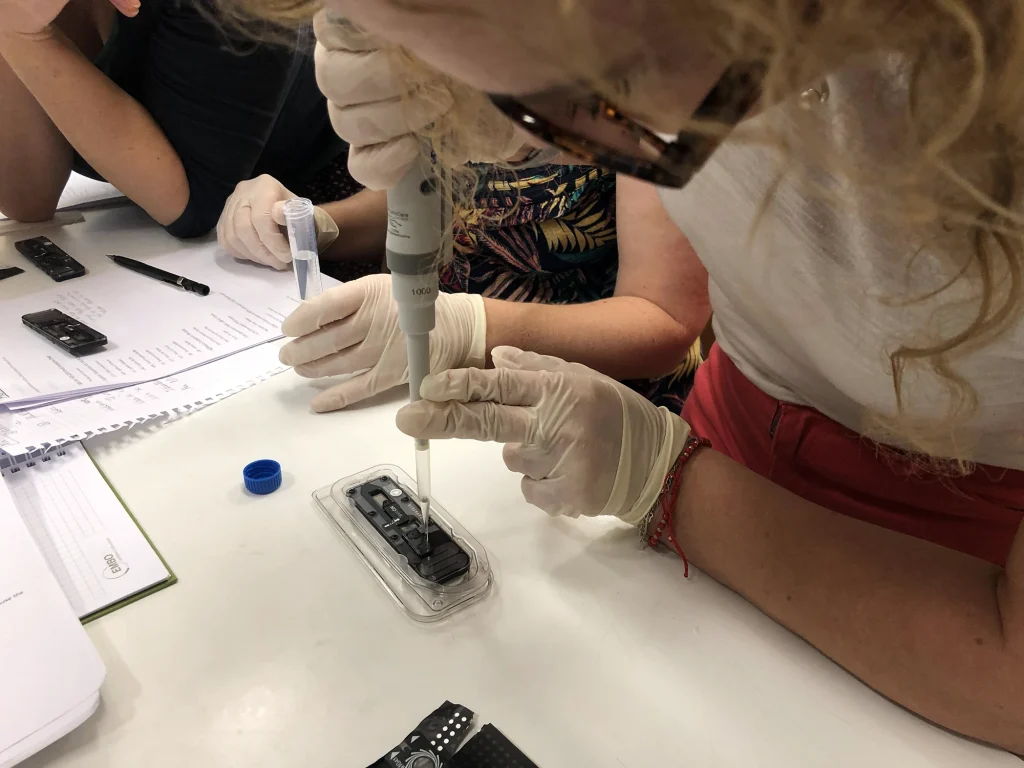
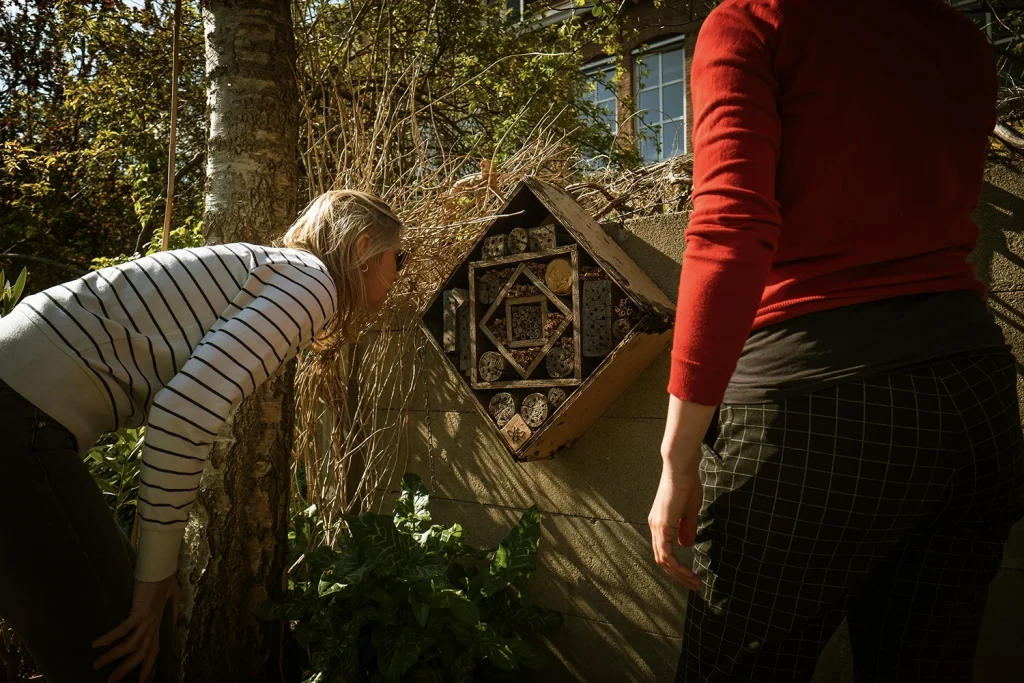
BGE engaged with citizen scientists through a series of workshops and open days targeting all levels -from school children to students, from employees of national parks to amateur expert taxonomists. The workshops used activities and games to show the crucial role of invertebrates in the environment and make participants familiar with the concepts of DNA barcoding as well as the main field methods for collecting, preserving and identifying insects. These activities are also important to explain the concept of DNA barcode library building and the interpretation of barcoding results. You can see here a summary of some of the workshops.
“Bio-Blitzing”
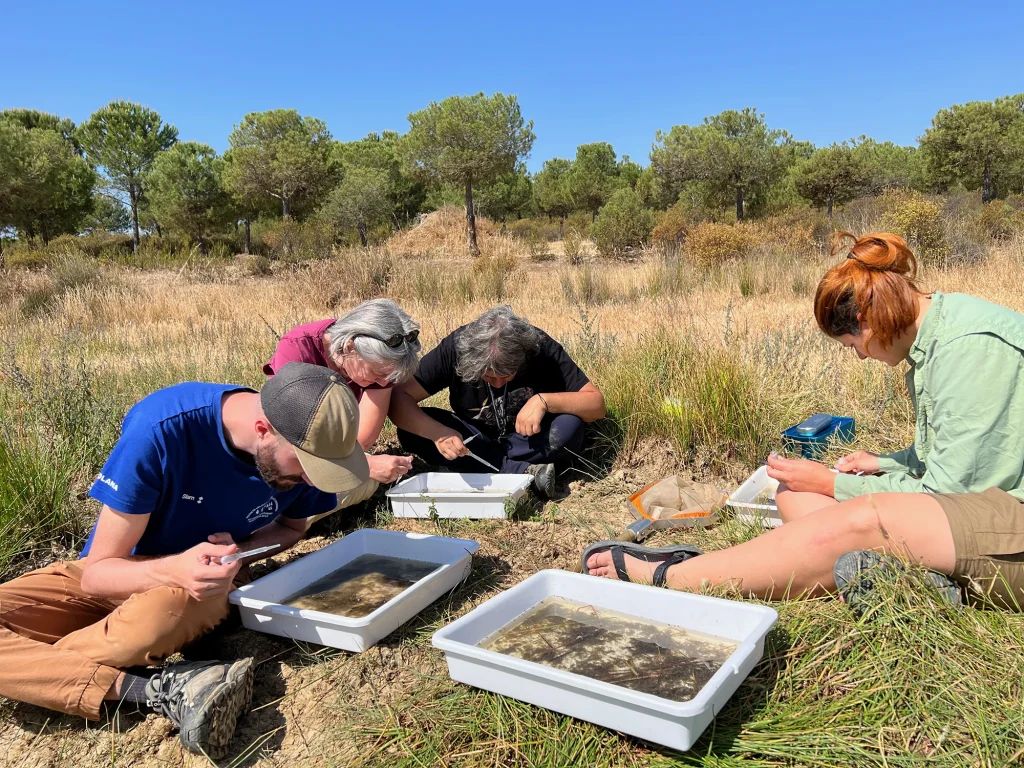
BGE subcontracted research teams from biodiversity hotspots in European widening countries to take the lead in organising bioblitz events following BGE’s guidelines. The primary objective is gathering species for genome sequencing and DNA barcoding purposes.