BioScience has just published the latest BGE publication, a practical framework for coordinating sampling in transnational DNA-based biodiversity monitoring. Developed within the Biodiversity Genomics Europe project, the framework builds on sampling campaigns across 22 European and two transcontinental countries, covering harbor water eDNA, Malaise trapping, and soil sampling.
The need for comparable knowledge
DNA-based methods are expanding the reach of biodiversity monitoring, but scaling them from national programs to transnational assessments requires coordination that preserves comparability and interoperability. In the words of Pedro Beja, executive vice-president of BIOPOLIS-CIBIO, partner of BGE+, “when sampling spans countries, teams, and environments, differences in where, when, and how samples are collected can undermine comparisons. Comparable biodiversity data start with coordinated sampling and strong teamwork.”
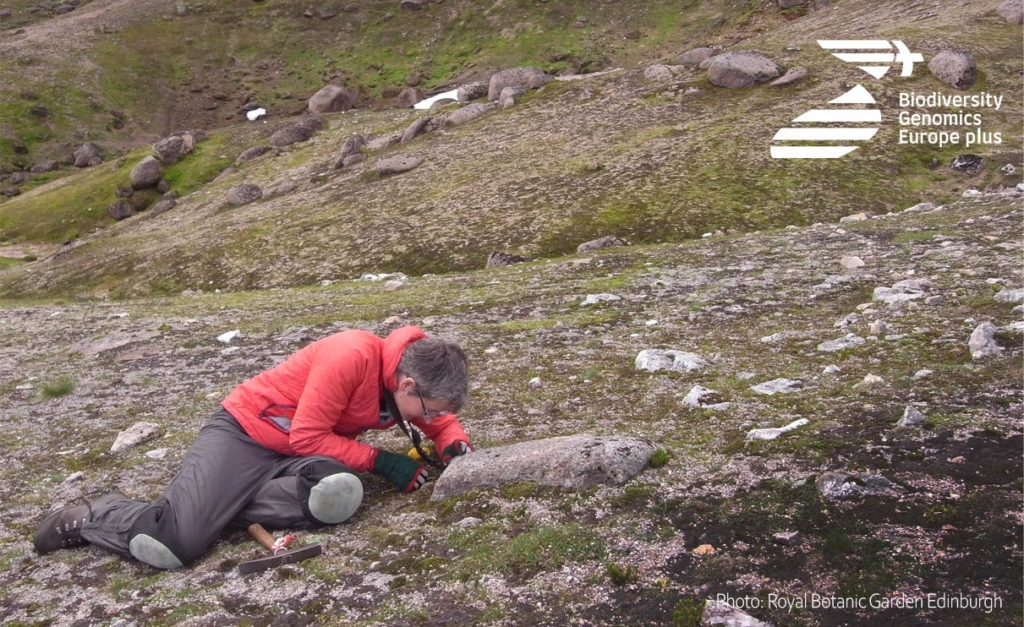
BGE sampling campaigns included harbor water eDNA, Malaise trapping, and soil
Full abstract of the publication
DNA-based methods are expanding the reach of biodiversity monitoring, but scaling them from national programs to transnational assessments requires coordination that preserves comparability and interoperability. We present a practical framework for DNA-based monitoring applications supporting Species Populations and Community Composition Essential Biodiversity Variables (EBVs), informed by transnational campaigns across 22 European and two transcontinental countries. The framework identifies the shared sampling decisions and documentation requirements that most strongly affect comparability, including design, timing, effort, replication and controls, sample handling and logistics, and common identifiers and metadata. We complement this framework with intake checks, predefined decision outcomes, and troubleshooting actions that verify readiness before laboratory analysis and support correction, flagging, or re-sampling during fieldwork. Together, these elements reduce unstructured variation at source and support reuse of DNA-based observations in policy-relevant, transnationally comparable biodiversity assessments across jurisdictions and reporting cycles, including continental-scale assessments.
For other BGE and BGE+ publications, you can access our Knowledge Platform.