
OVERVIEW
In this one day online course, the participants learned about the critical stages of the workflow when generating high-quality DNA barcode references. We presented best practices for specimen handling and preservation in the field, including strategies to maintain DNA integrity and ensure traceability. The course covered how to accurately record and manage specimen metadata, as well as how to produce standardized, publication-quality images that support taxonomic identification. We also had focus on the quality control measures before sequence upload to BOLD.
Read below to know more about the MoU, COP17 and the potential of DSI to meet the KMGBF targets
AUDIENCE
Twenty participants attended the course. Sudents, early-career scientists, technicians, and citizens that wished to contribute to the DNA barcode reference library
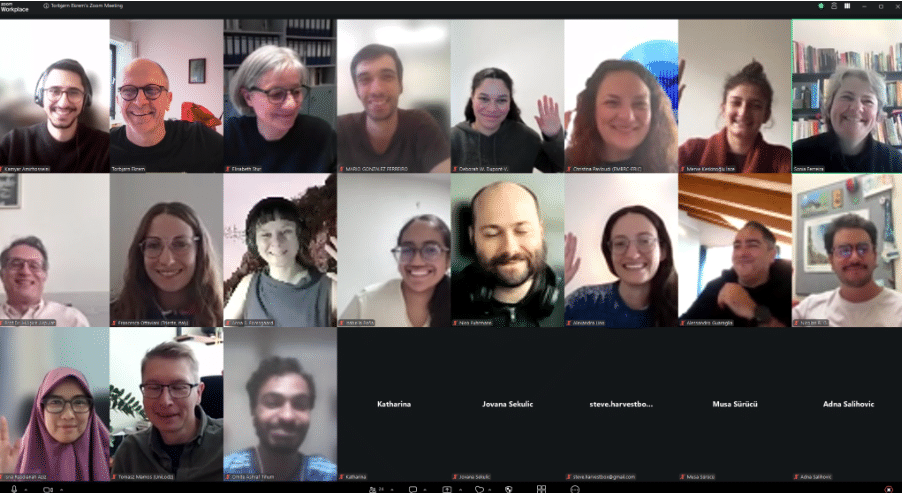
Participants of the course organised by BGE+ partners NTNU (Norway) BIOPOLIS-CIBIO (Portugal), and UniLodz (Poland)
PROGRAMME
10:00 Welcome, round of introduction, learning goals and program
10:15 The concept of DNA barcoding and an introduction to BOLD
10:45 How to create a project in BOLD and complete the SpecimenData file
11:00 Practical exercise in Break out rooms.
11:30 Q & A on SpecimenData file in Break out rooms
11:45 Stretch legs
12:15 Preservation of vouchers, photography and uploading images to BOLD (including break out groups)
13:00 Tissue sampling and contamination risks
13:30 Stretch legs
13:45 What to do when your results arrive? Quality control and analytical tools
14:30 Q & A session with BOLD Data Manager
Emily Hartop from the NTNU University Museum lectures on DNA barcoding of Dark Taxa.
FEEDBACK
Motivation: The feedback form showed that most of the participants attended the course “to learn more about a specific method or organism group to carry out part of my research” or “to use when submitting metadata, images, and sequences to BOLD”.
Knowledge acquired: All participants who filled in the feedback form stated that they had a major (38.5%) or moderate (61.5%) increase in their personal knowledge on the topic
Overall quality of the course (scope, materials, program, content): A solid majority of the surveyed participants found the course excellent (70% approx) or good (30% approx)
Materials
I really appreciate all the hard work put in by the organisers. I learned a great deal, and the step-by-step instructions were very comprehensive, particularly regarding how to complete the specimen data template for BOLD and beyond.
Participant to the course
Maybe it would be nice to have a followup session (for about one hour or so) where the participants can share their completed submission files for input/corrections.
Participant to the course
It was a great course that expanded all the neccessary knowledge to start of in the BOLD. Thank you very much for this. I liked that there was some course material to read before hand. Special thanks to Thomasz Mamos' lecture on quality control it was a good reminder.
Participant to the course