
16 December 2025
From Lakes to Gardens: Citizen Science Boosts Genomic Awareness in Georgia’s Biodiversity Hotspot
By Luisa Schlude Marins
About the hotspot
Georgia is situated in the heart of the Caucasus, where wetlands, lakes, forests, and rocky slopes support numerous endemic and threatened species. Climate change is already reshaping these ecosystems, making locally grounded monitoring and conservation urgent. Yet Georgia remains a genomic blind spot: many species on the national IUCN Red List still lack DNA barcodes and reference genomes, limiting evidence-based management and adaptation planning.
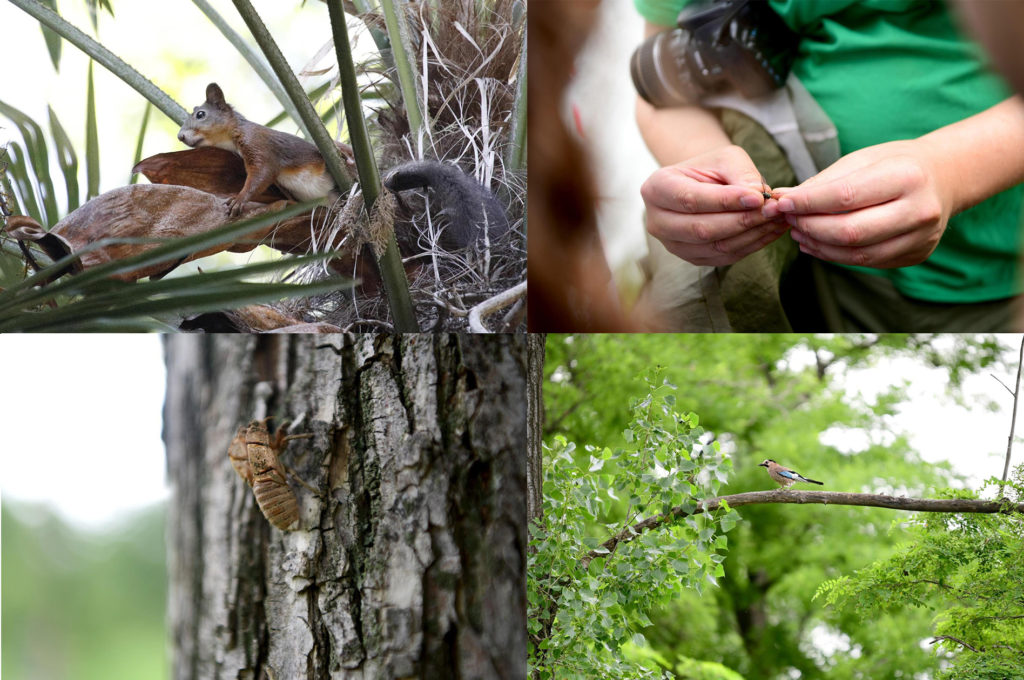
Some of the species spotted during the GEORBLITZ activities.
→ Did you know? Georgia lies within the Greater Black Sea ecoregion (a WWF “priority place”) and overlaps two global biodiversity hotspots recognised by Conservation International: the Caucasus and Iran–Anatolian hotspots.
About the Activity
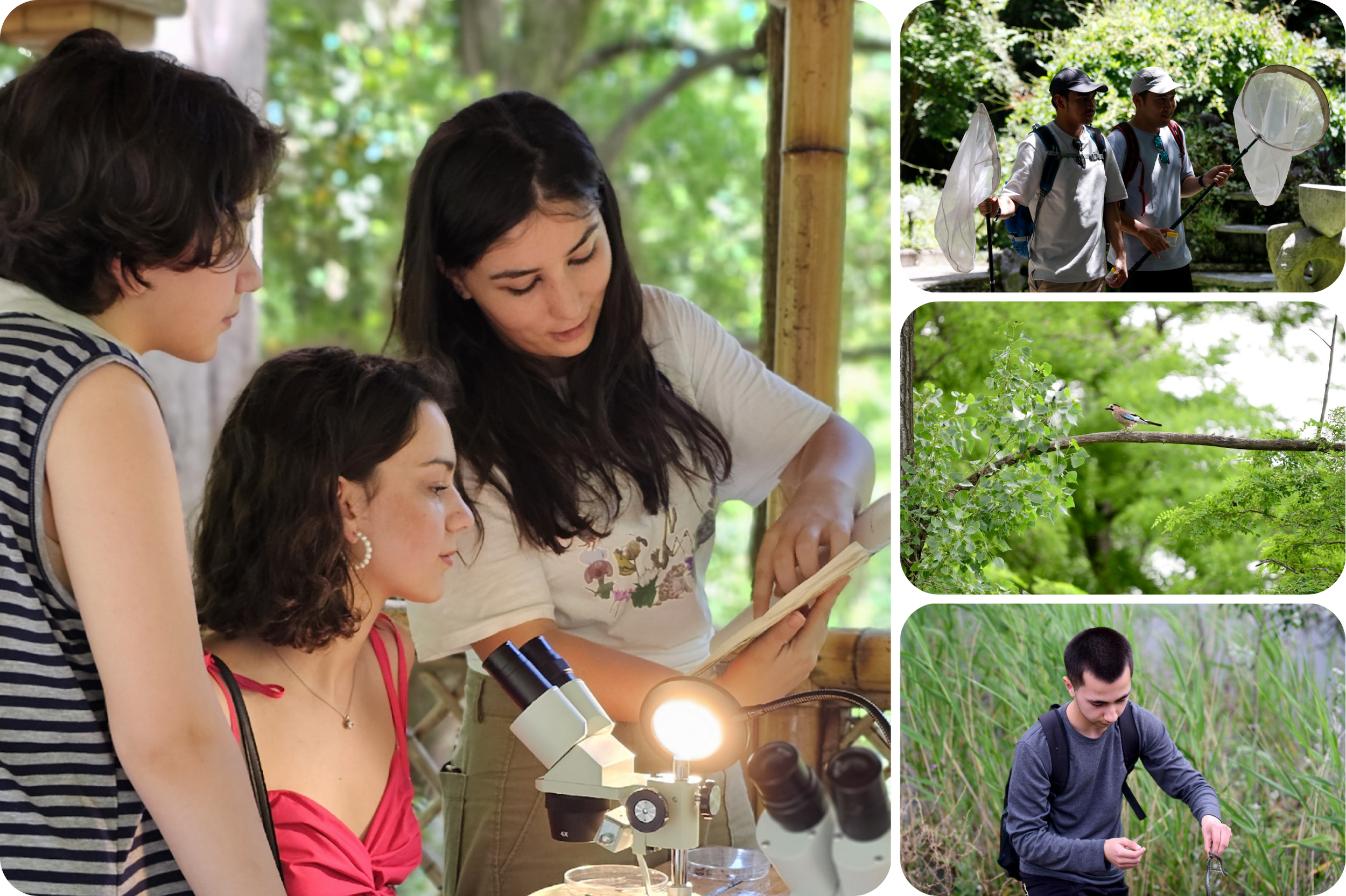
In June 2024, the GEORBLITZ team ran two citizen-science BioBlitzes to kick-start biodiversity recording and genomics awareness: Lisi Lake (Tbilisi, 8 June) and the Kutaisi Botanical Garden (14 June). Local community members teamed up with experts and students from Ilia State University (ISU) for hands-on sessions. Participants practiced standard field methods, net sweeping, foliage beating, hand collection, and worked in three taxon-focused groups (Diptera, Coleoptera, and Amphibia/Reptilia). Specimens were labelled in ethanol for observation, with material set aside for future genetic analyses. They were examined under microscopes under guidance from specialists. On-site educational stands with preserved and live specimens sparked conversations about how DNA barcodes and reference genomes inform species assessment, conservation, and restoration.
Field observations spanned reptiles (e.g., dice snake, spur-thighed tortoise), amphibians (marsh frog, green toad), arthropods (house centipede, Alpiscorpius scorpions), birds (from reed warblers and swifts to orioles and jays), and even mammals (Caucasian squirrel), underscoring the conservation value of urban-adjacent green spaces. The initiative also reached a wider audience through Georgian national TV, which reported live from the Lisi Lake event.
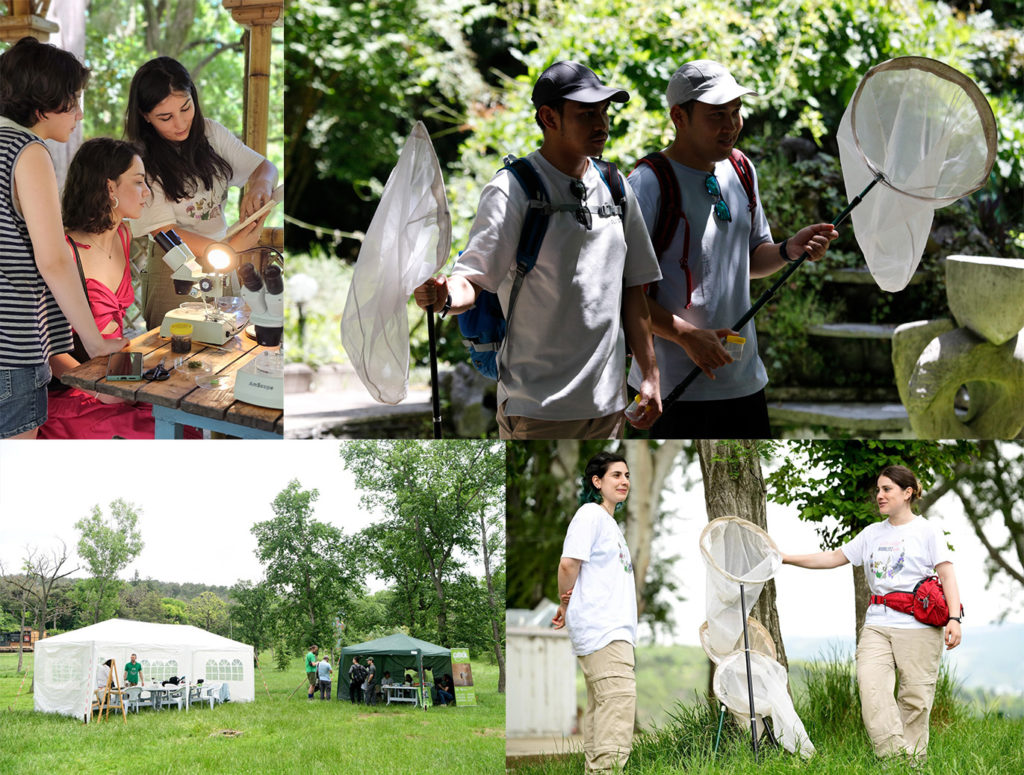
Snapshots of the citizen science activities organized in Georgia with support of BGE.
Photo credits: School of Natural Sciences and Medicine, Ilia State University; Giorgi Iankoshvili.
Explore observations / contribute:
Lisi Lake iNaturalist project: https://inaturalist.ca/projects/bioblitz-lisi-lake-2024
Kutaisi Botanical Garden iNaturalist project: https://www.inaturalist.org/projects/bioblitz-kutaisi-botanic-garden-2024
Media: Live TV report (Lisi Lake): https://www.facebook.com/share/v/TVwW31FwVNcjS71R/?mibextid=SphRi8