
21 January 2026
BGE is done sampling: curious about how it went?
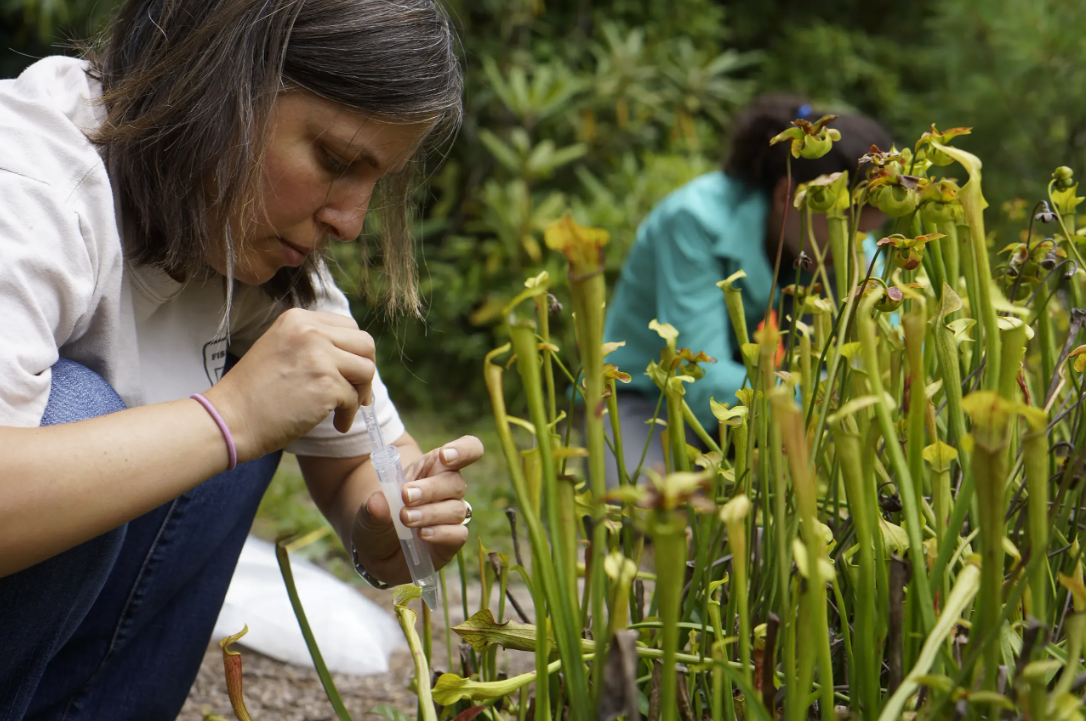
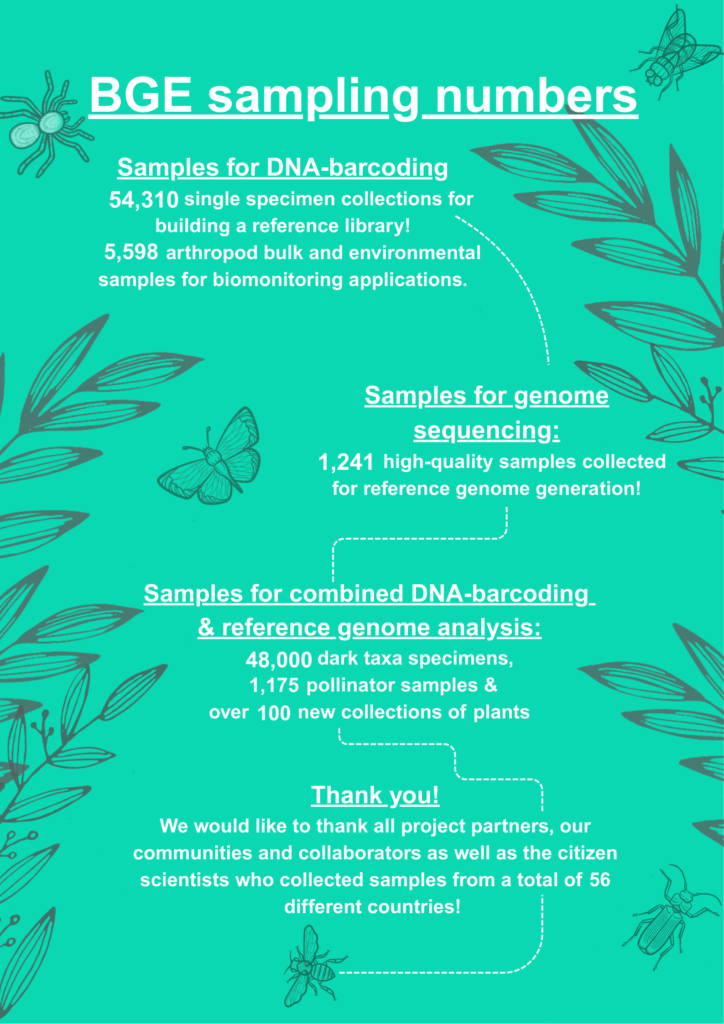
BGE focusses on species of conservation, ecological, and socioeconomic importance in Europe. The selection of what to sample is a core responsibility of the sampling pillar with species gap list analysis and species prioritisation being used to inform the projects’ field and museum sampling campaigns. These were conducted by consortium researchers, and crucially, also through the efforts of citizen scientists and collaborators. Equally important, the sampling pillar has established rigorous protocols to ensure that all samples and metadata were collected systematically, adhering to clear standards and ethical guidelines. Furthermore, synergies between sampling for DNA barcoding and genome sequencing were identified to enable more efficient discovery, reuse, and integration of BGE’s biobanked collections and metadata.
Want to know more about the logistical difficulties of shipping samples?
Read the interview with Laura below! ↓
From Italy to Norway: the logistical hurdles of shipping samples to other countries. An interview with Laura Cortazar
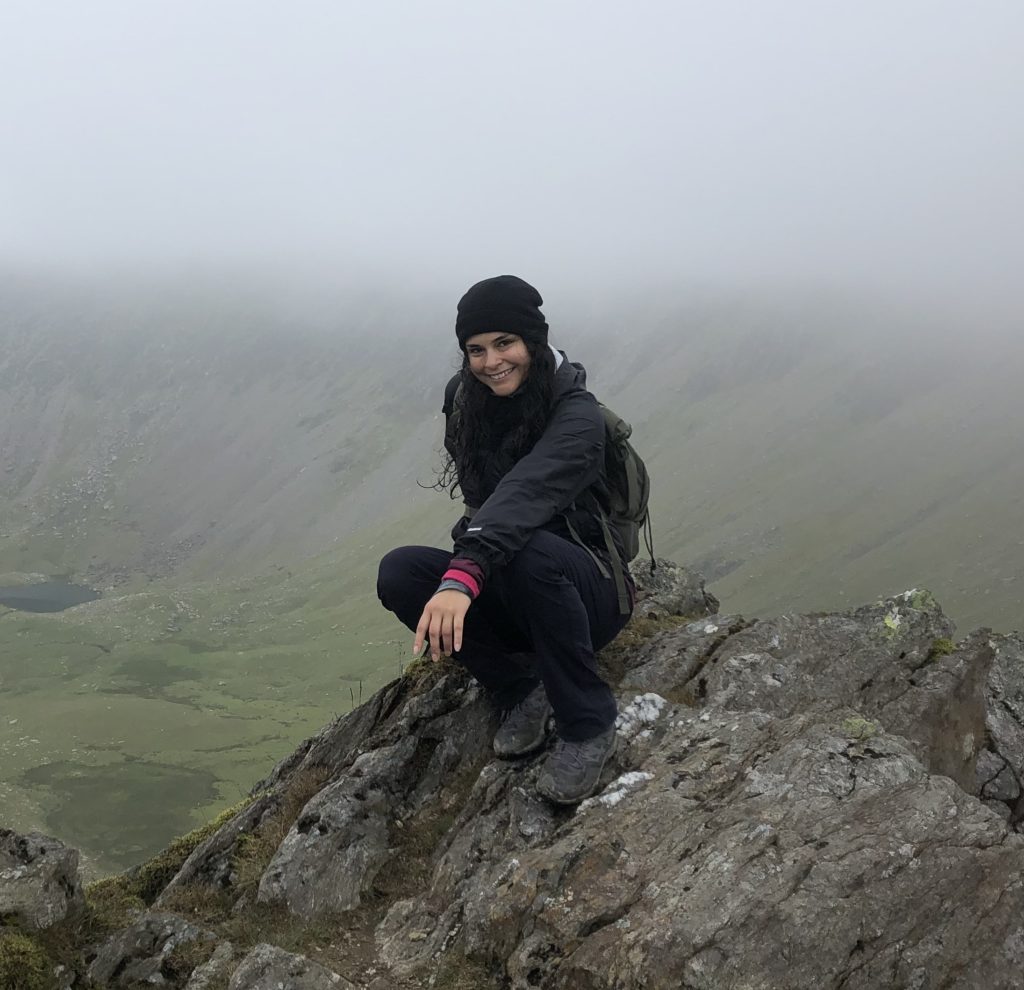
One of the least known topics of biodiversity genomics is the considerable amount of logistics that it may entail. Especially with a European project such as BGE. When samples taken in Italy for example need to go to a lab in Norway, they need to travel thousands of kilometers. Although the difficulty is not so much the distance, but the crossing of borders and the accompanying regulations. At the end of the day, samples are biological material and this can bring some difficulties. Laura Cortazar is one of the scientists responsible for coordinating community sampling case studies using eDNA metabarcoding for biomonitoring. She will help us shed some light on this very particular issue that our partners face quite often.
With her team she developed sample and metadata protocols and managed the sample shipping logistics for processing to BGE’s consortium’s labs. All to ensure a smooth collaboration with our internal and external partners. Was it easy? “No!” she replied immediately. “It is definitely not straightforward.”
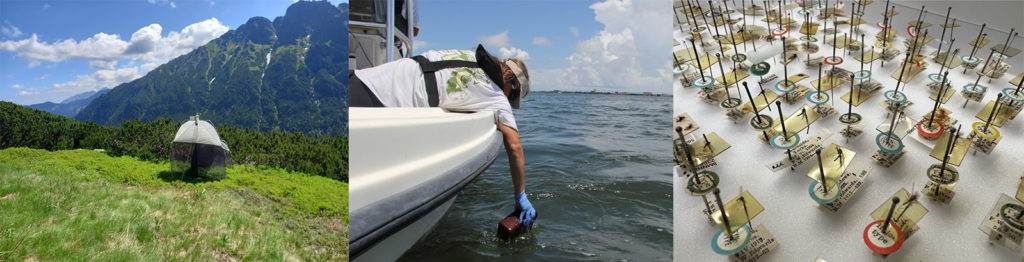 (BGE took a lot of different samples: samples from malaise traps in high mountain regions, environmental samples from harbours, samples from museum collections and more!)
Start early!
There are a lot of different collaborators within different countries that participate in BGE. Each country has their own limitations and regulations for sampling and shipping biological material. “One of the unexpected limitations we learnt about, was that courier companies did not know how to ship these kinds of samples,” Laura tells us. “Costum workflows can also vary a lot, even within the same country,” she adds.
Laura and her team needed to apply some strategies to ensure compliance with international regulations to ship the biological samples. Especially since those requirements vary across different countries. “Start early to check what requirements are needed to ship to other countries,” emphasizes Laura. To ship the samples they needed to follow standardised protocols and had to ask the certified couriers for their guidelines for shipping biological materials and dangerous goods. “You also need to think about special authorisation from the country of destination.”
Ensure the integrity of the samples
Besides the logistical hurdles in shipping biological samples you also need to consider the special conditions to ensure the integrity of the samples until they reach their destination. “For example, if your samples were packed using dry ice because they need to be within cold conditions, you have limited time for them to be cleared by customs,” explains Laura. Custom delays would significantly influence the state of your samples. To prevent this you need to plan the logistics way in advance, ensure complete documentation, comply with packing guidelines and labelling, and if possible, find out customs contact details to directly track and confirm that the samples are being processed. “You worked very hard and spent considerable resources to obtain those precious samples, so one is always under a lot of pressure and stress to make sure they arrive safely to their destination.” Despite all the difficulties and logistical hurdles, Laura can be very proud: over 150,000 samples have been processed in BGE’s consortium labs!
Want to know more about the results? We will share more about that in our next article!