

16 February 2026
BGE+ selected for funding!
BGE+, heir to BGE, has been selected for funding. This amazing news means that our consortium will have support for its long-term objective of a European research infrastructure for biodiversity genomics.
BGE: proof of concept
If there is one thing BGE has demonstrated, it is that coordinated, transnational efforts can overcome logistical, technical, and policy challenges and create operational pipelines for sampling, sequencing, data management, and application across Europe. In fact, by piloting joint initiatives and sharing expertise and investments, BGE has indeed built a model for scaling genomic knowledge production. Now, the question remains: scale up how? Where should we go from here?
Well, the answer to those questions has been kind of in the air in recent times, mostly expressed like this: “we need to create an integrated and sustainable European biodiversity genomics ecosystem to allow the research community to deliver scientific, policy, and potentially political impact.”
But it was during our recent policy roundtable Biodiversity Innovation: Enabling technology for Nature and Green Growth (Brussels Oct. 25) that Costas Kadis, European Commissioner for Fisheries and Oceans, uttered the words we all in BGE were waiting for: there is a need for a biodiversity genomics infrastructure in Europe.
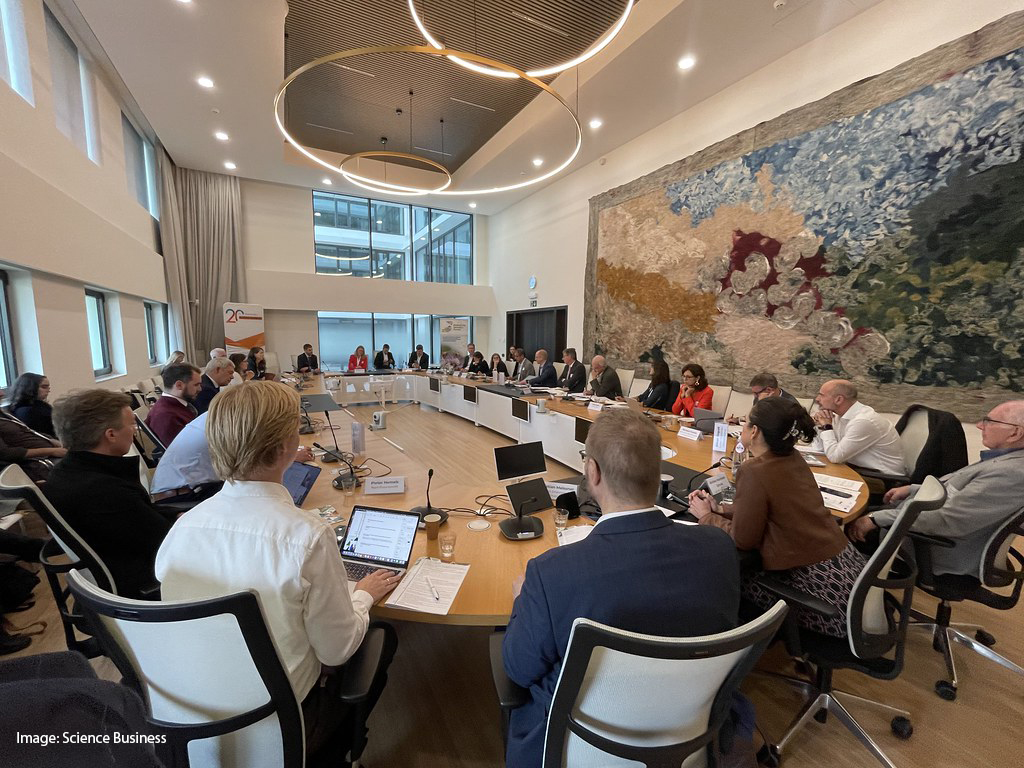
BGE’s Biodiversity Innovation: Enabling technology for Nature and Green Growth roundtable (October 2025)
BGE+: focus on infrastructure
Biodiversity Genomics Europe plus (BGE+) aims to take us there. The new project will muster pan-European collaboration to scale up the production and uptake of genomic evidence for taxonomy, monitoring and policy. It will widen participation, standardise methods, and prepare a distributed European system for biodiversity genomics.
BGE+ has four objectives:
(1) broaden participation and capacity across Europe;
(2) make distributed genomic data production interoperable and FAIR by design;
(3) translate evidence into practice through co-designed use-case roadmaps; and
(4) define the service portfolio and assess financial and technical feasibility for a future European research infrastructure in biodiversity genomics.
The consortium unites iBOL Europe (DNA barcoding), ERGA (reference genomes) and CETAF (taxonomic research and natural history collections) to align end-to-end workflows from field sampling to application.
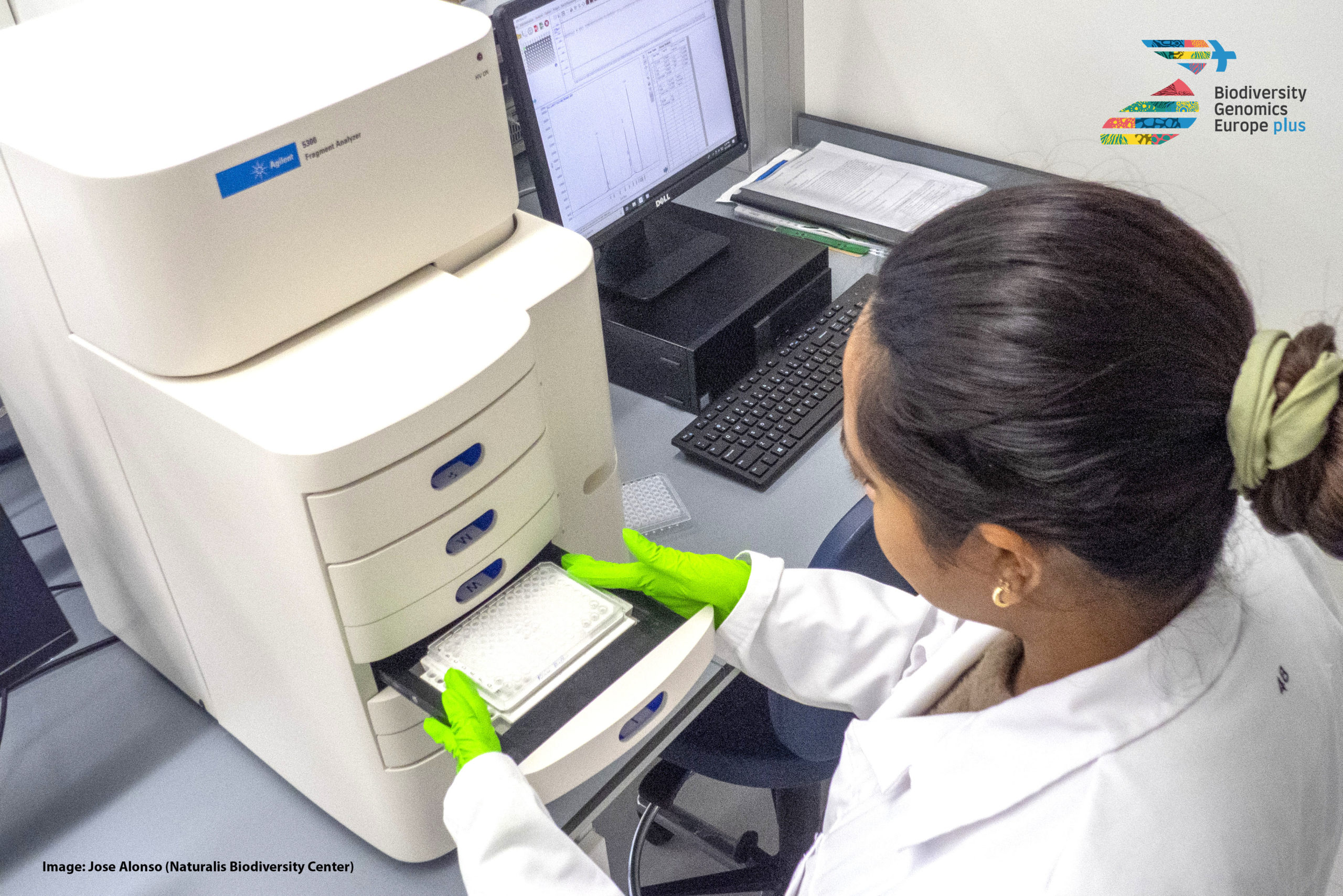
Laboratory work at Naturalis Biodiversity Center (The Netherlands)
A project with opportunities or all
Through targeted cascade grants (Financial Support to Third Parties) and hands-on training, BGE+ will enlarge community capacity while converging on shared protocols and standard practices, improving data interoperability and consolidating community efforts. Building on previous work, BGE+ will carry forward the communities’ long-term vision: turning fragmented efforts into a coherent, scalable system that delivers reliable genomic evidence for taxonomy and policy.