9 July 2026

BGE+ NEW COURSE: DNA barcoding and metabarcoding using ONTOLOGY™

ONTOLOGY is a new platform for distributed DNA barcoding and metabarcoding—is integrates freeze-dried ‘just-add-water’ PCR plates that complete indexing and amplification in one step, and software that recognizes the indexing scheme to automate demultiplexing and bioinformatics. This course provides training so that participants can effectively use ONTOLOGY for their research, covering topics in the molecular lab and using the software. Launching officially in September 2026, ONTOLOGY is developed by the Centre for Biodiversity Genomics (CBG). The course will be co-led by NHMUK and CBG and hosted at NHMUK. Learn more at www.ontology.bio

The course in a glimpse

Course title 

DNA barcoding and metabarcoding using ONTOLOGY™

Time

05 October 2026, 10:00 to 07 October 2026, 15:00.

Place 

Natural History Museum London, United Kingdom

Language

English

Credits

None

Assessment

None

Course fee

None

Teachers

Dr. Ken A. Thompson – Project Manager, Centre for Biodiversity Genomics (Universit of Guelph)

Dr. Jordan Beasley – Postdoctoral Research Assistant, Natural History Museum UK

Dr. Ben Price – Senior Curator in Charge, small orders, Natural History Museum UK

 

Learning outcomes

The course participants will become comfortable with the entire sample-to-answer ONTOLOGY workflow. Key skills gained:

  • Hot Shot DNA Extraction
  • PCR with ONTOLOGY plates
  • Nanopore sequencer library preparation
  • Analysis of sequence data with ONTOLOGY software
  • Submission of records to BOLD from ONTOLOGY

Course schedule
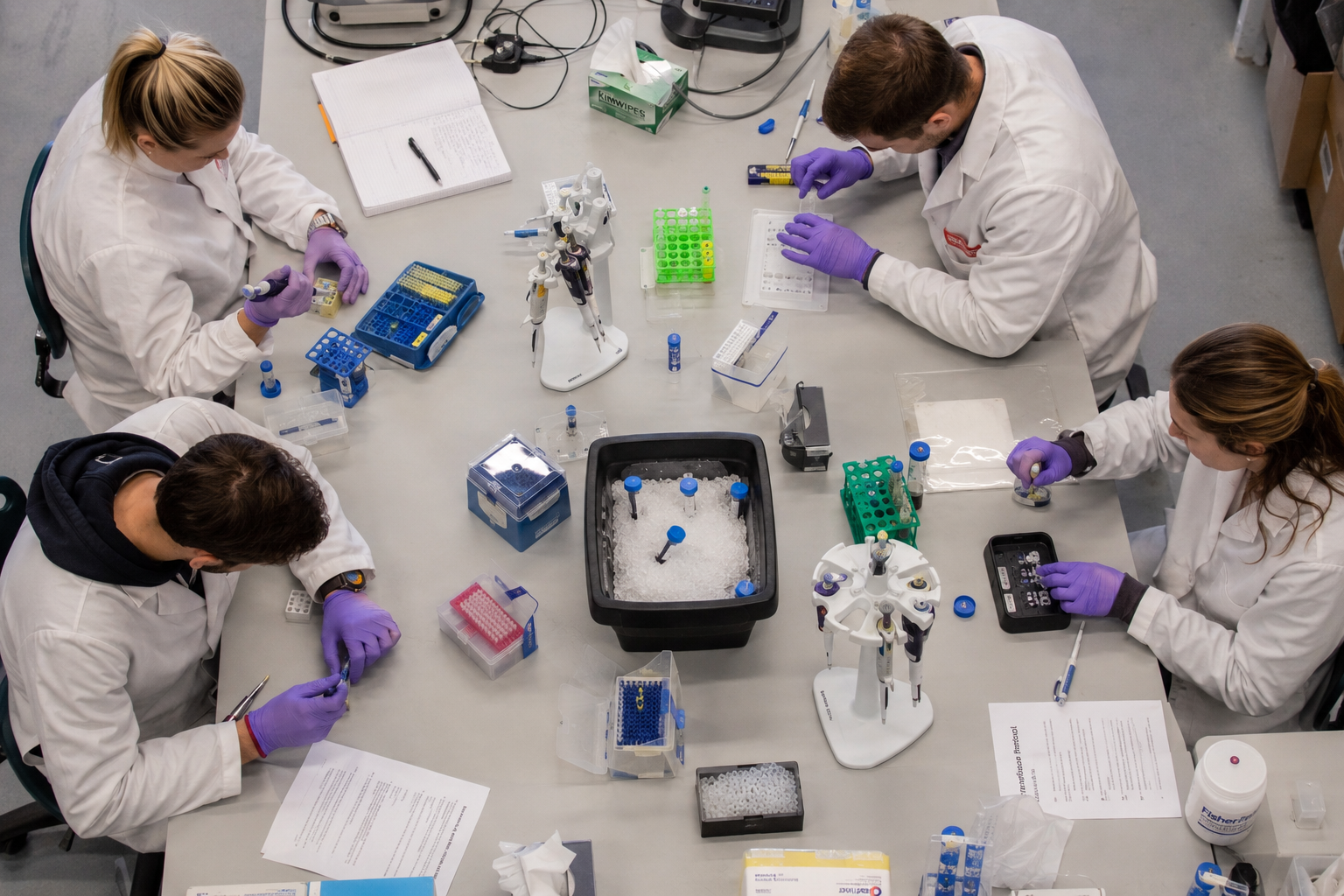
  • Day 1 will focus on basic molecular work using ONTOLOGY plates
    • Conceptual lectures about methods and what exactly the ONTOLOGY plates are doing
    • Demonstrations & some exercises
    • Basic topics include: DNA extraction, PCR, library preparation & sequencing

  • Day 2 will focus on advanced molecular work and introduce computational work using ONTOLOGY software
    • Conceptual overview of ONTOLOGY software, installation and basic use. Analysis of data generated yesterday in class.
    • Conceptual overview of bioinformatic
    • Advanced molecular topics include: Flow cell wash, adding native barcodes to combine ONTOLOGY kits, cost and time-saving alternatives to bead cleanup and DNA quantification
    • End of day survey will identify topics the students wish to cover in more depth on final day

  • Day 3 will cover some advanced analysis topics in data analysis, and address the topics requiring further attention that the trainers identified during day 2
    • Advanced computational topics include: Command-line tools (BIP and MAP), Custom ONTOLOGY runs, efficient BOLD upload via ONTOLOGY, analysis of ONTOLOGY output
    • Students practice molecular ‘pain points’: bead cleanup and flow cell loading.
    • Conclude course by collecting feedback on course and suggestions for future development of ONTOLOGY

Audience

Participants must intend to generate DNA barcoding and/or metabarcoding data as a part of their research. Participants should have some experience with basic molecular biology skills—specifically pipetting—and be familiar with conceptual topics relating to DNA barcoding. Experience with DNA sequencing using nanopore sequencers is not required. Previous experience generating DNA barcode records on BOLD is also an asset. Basic experience with the analysis of biological data is beneficial but not required.

Admission and application
Number of participants/students, eligibility and prerequisites

Maximum of ten participants. The course is targeted towards researchers at any career stage that would benefit from training to generate and analyze DNA barcoding and/or metabarcoding data. In case of more applicants, preference will be given to researchers undertaking single-specimen barcoding work who intend to contribute their data to BOLD. We will also evaluate applicants based on motivation and usefulness of the course for the applicants, with priority given and based on demonstrated commitment to generating DNA barcode records. Results of the selection process will be announced via e-mail shortly after the application deadline.

How to apply


The deadline for applications is 17 August 2026

Financial support/co-funding

Course participants are responsible for all costs and logistics associated with travel and accommodation.


Contact

Ken A. Thompson (ken.thompson@uoguelph.ca) for the course content and how to prepare for it.

Alyssa Paul (alyssa.paul@nhm.ac.uk) for practical information on site at the NHM London.

Responsible institution

Centre for Biodiversity Genomics, University of Guelph


BGE+ is funded by the European Union