Wildlife Detective and Fantastic Animals and Where to Film Them 2
University of Primorska, Faculty of Mathematics, Natural Sciences and Information Technologies
Campus Livade, Izola, Slovenia
26 September 2025
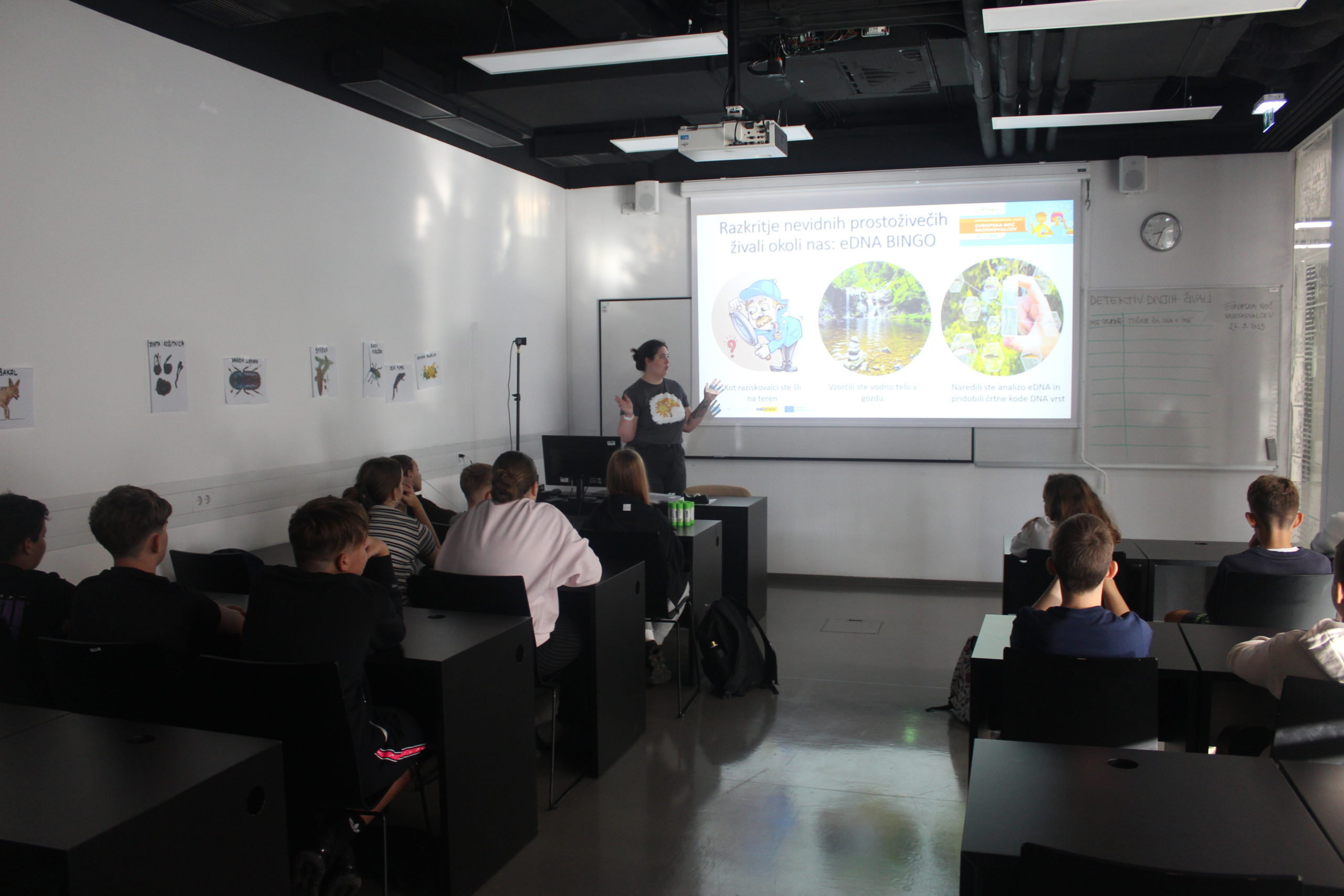
This September, University of Primorska, Faculty of Mathematics, Natural Sciences and Information Technologies organised the “Wildlife detective: revealing the invisible wildlife around you” and “Fantastic animals and where to film them“ citizen science events at Campus Livade, Izola, Slovenia.
A total of 88 attendees, teachers and students from primary and high schools, took part in the workshop. During this event, participants explored methods for gathering and applying wildlife information and were introduced to the national SRNA application designed for wildlife data recording. The app is currently being enhanced to include eDNA sample collection.
Workshops held as part of the events also introduced students to the idea of citizen science, showing them how to record and analyse wildlife data using mobile apps, camera traps, and eDNA techniques. In essence, the events strengthened participants’ skills and understanding in biodiversity monitoring, data management, and the fundamentals of citizen science.
Goals
The event was designed to educate and empower both primary and high school students and teachers by introducing them to various methodological approaches for biodiversity data collection.
Its key objectives were to:
- Develop participants’ ability to collect biodiversity data using citizen science applications, camera traps and eDNA techniques.
- Deepen their understanding of modern genetic and ecological tools used in biodiversity monitoring.
- Provide practical training in collecting environmental samples suitable for genetic analysis.
- Strengthen knowledge of species identification and conservation through molecular data interpretation.
- Encourage a sense of stewardship and active involvement in wildlife conservation initiatives.
Together, these objectives aimed to rise awarnes within students and teachers with the skills and motivation needed to engage in the long-term preservation and sustainable management of biodiversity and ecosystems.
Content
Agenda: Wildlife Detective: Revealing the Invisible Wildlife Around You
- Welcome and Introduction: Presentation of innovative methods for wildlife monitoring (10 minutes)
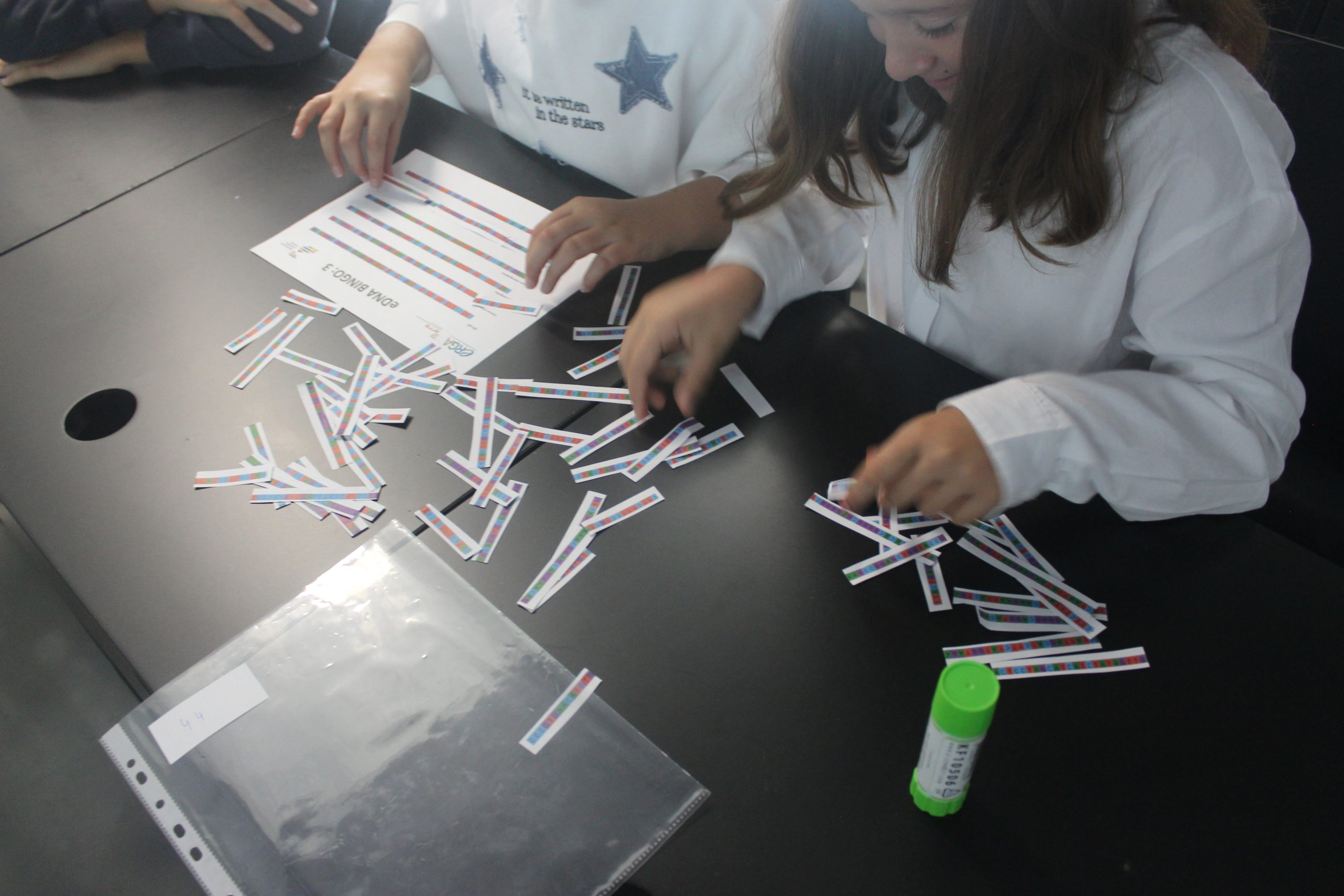
- DNA metabarcoding bingo (15-20 minutes): Students are provided with sheets containing various DNA sequences and species, and they must determine which species each sequence belongs to. Then, they proceed to explore the species’ ecology, habitats, and everything of interest about the species.
- Conclusion (Q&A) (5 minutes)
This program enabled students to engage in a hands-on learning experience where they were given sheets containing a variety of DNA sequences and species, tasking them with identifying the corresponding species for each sequence. Subsequently, students had the opportunity to delve into the ecology, habitats, and all aspects of interest about these species.
Agenda: Fantastic animals and where to film them
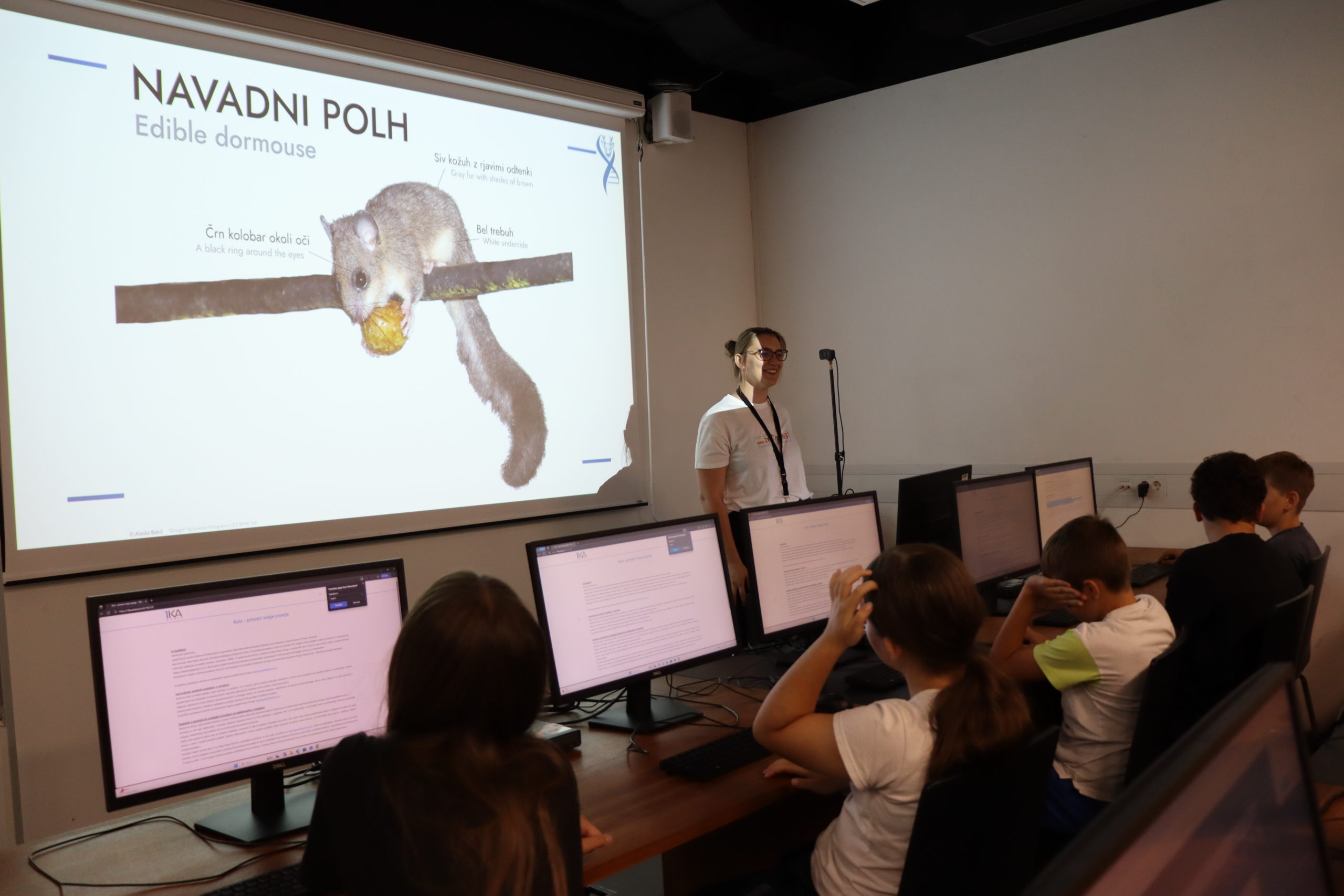
- Welcome and Introduction: Presentation about CS, usage of camera traps and SRNA app. Presentation of Slovenian wildlife animals, tracked in SRNA app (15 minutes)
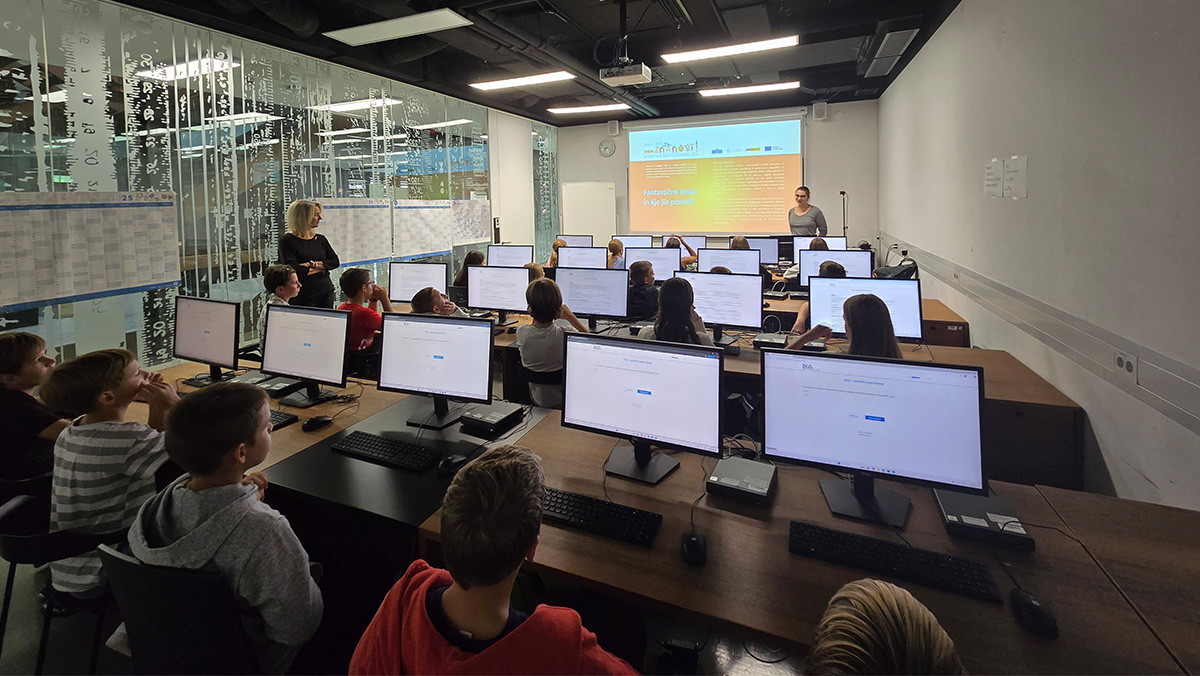
- Animal quiz (10 minutes): Students solved a questionnaire with footage of animals and tried to identify them.
- Conclusion (reviewing results and Q&A) (5 minutes)
Students learned about the diversity of Slovenian wildlife and gained skills in identifying animals using camera trap footage. This program also highlighted the importance of citizen science and the value of data collected by citizen scientists.
Feedback summary
The feedback collected from the workshop reflected exceptionally positive responses from both students and teachers, highlighting their enthusiasm, active participation, and overall satisfaction. Participants expressed that the workshop was engaging, educational and inspiring. Many students reported gaining valuable insights into Slovenia’s native wildlife, the importance of biodiversity conservation, and practical knowledge about modern research tools such as camera traps and eDNA techniques.
Teachers particularly appreciated the interactive format, the hands-on learning approach, and the dedication of the organizers and presenters, who successfully combined scientific content with accessible explanations suitable for different age groups.
Despite the overall success, the organizers encountered a few logistical challenges. One of the main difficulties involved adapting presentations and activities to various age levels, ensuring that each group received appropriately tailored material. Additionally, the pace of progress varied between groups—especially during the DNA metabarcoding bingo activity—which required flexibility and on-the-spot adjustments.
To further enhance future workshops, it would be beneficial to prepare more detailed implementation guidelines and establish time management strategies that accommodate different learning speeds. Overall, the event was considered highly successful, fostering both knowledge and enthusiasm for wildlife conservation among young participants.
Header: Picture taken at “Fantastic animals and where to film them”.