

POLICY ROUNDTABLE
Biodiversity innovation: Enabling technology for nature and green growth
Permanent Representation of the Netherlands to the EU (Brussels), 1 Oct
The roundtable will explore questions such as: What are the most promising biodiversity genomic innovations for enhancing ecosystem resilience and climate adaptation? What infrastructure is needed to avoid bottlenecks, ensure continuity, interoperability, application, and open access to biodiversity genomic data? How can biodiversity genomic technologies accelerate green growth? Can Europe become a driving force for international collaboration to tackle systemic biodiversity challenges? Addressing these topics across the policy and scientific community will enable us to explore how Europe can better capitalise on the potential of biodiversity genomic innovations for nature and green growth. BGE wil organise the policy roundtable in collaboration with:

The event will take place under the patronage of the European Parliament.
Featured Guests
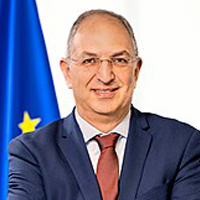
Costas Kadis
European Commissioner for Fisheries and Oceans
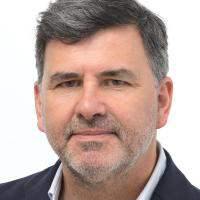
Nicolas Gonzalez
Member of the European Parliament for Spain
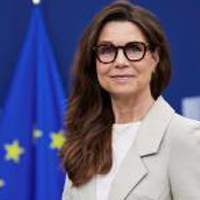
Pernille Weiss-Ehler
Member of Cabinet for Environment, Water Resilience and Competitive Circular Economy, European Commission
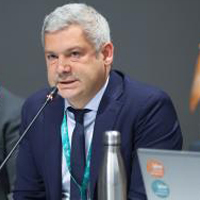
Gilles Doignon
Team Leader Biodiversity & Nature-Based Solutions, DG RTD, European Commission
Eva Mayerhofer
Head of Environment Policy Unit Lead Biodiversity Specialist, European Investment Bank (EIB)
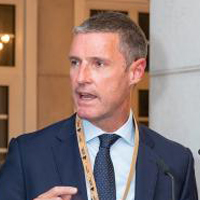
Richard Cronin
Water, Biodiversity and Housing Counsellor, Permanent Representation of Ireland to the EU
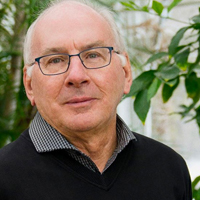
Paul Hebert
Chief Executive Officer, International Barcode of Life (iBOL)
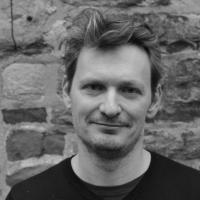
Ivan Davor Kulis
Head of Unit, Nature Conservation and Observations, Joint Research Centre, European Commission
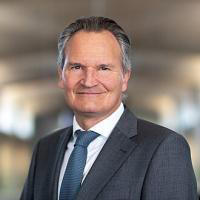
Robert-Jan Smits
President Emeritus Eindhoven University of Technology. Former Director-General for Research and Innovation (RTD) at the European Commission

Faiza Ouhlasen
Associate Director Sustainability, KPMG
Gert Verreet
Chair of Working Group Environment, European Strategy Forum on Research Infrastructures (ESFRI)
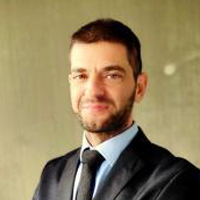
Dimitris Koureas
Chief Information Officer and Managing Director, Digital Strategy and Innovation, Naturalis Biodiversity Center

Amber Hartman Scholz
Head of Science Policy and Internationalisation, Leibniz Institut DSMZ

Pete Hollingsworth
Director of Science and Deputy Keeper, Royal Botanic Garden Edinburgh
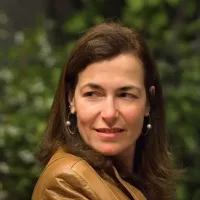
Ana Casino
Executive Director, Consortium of European Taxonomic Facilities
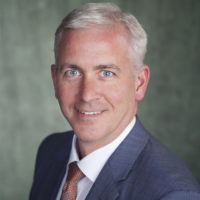
David Castle
Researcher in Residence. Office of the Chief Science Advisor, Government of Canada

Camila Mazzoni
Research Group Lead. Leibniz Institute for Zoo and Wildlife Research
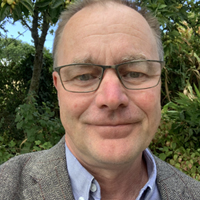
Andrew Nisbet
Deputy Director Monitoring, Chief Scientist’s Directorate, Nature England
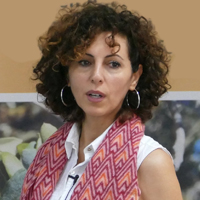
Magda Bou Dagher
Principal Scientist. Mediterranean Facility, European Forest Institute (EFI)

Henri Delanghe
Head of Unit, Research and Innovation, Directorate-General for Agriculture and Rural Development, European Commission
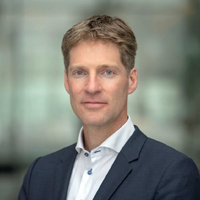
Marcel Beukeboom
General Director, Naturalis Biodiversity Center (NL), former Dutch Representative to the United Nations organizations for food and agriculture (Rome)
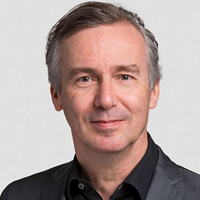
Pieter Hemels
Director, Futureproof

Elise Belle
Project Manager, WCMC Europe
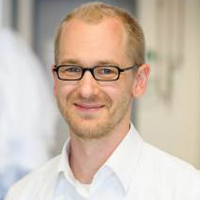
Florian Leese
Head of Aquatic Ecosystem Research, University of Duisburg-Essen
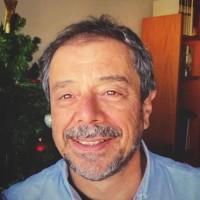
Pedro Beja
Associate Director of Operations, Fund Raising and Knowledge Transfer, BIOPOLIS, Deputy Director, CIBIO Research Centre, University of Porto
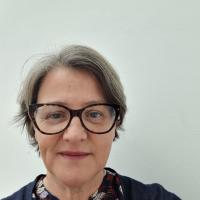
Caroline Pottier
Research and Innovation Team Leader, The Directorate-General for Environment, European Commission
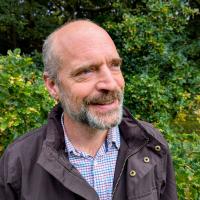
Alistair Duguid
Ecology Partnership and Development Unit Manager, Scottish Environment Protection Agency
Roundtable programme
14:00 Welcome by Science|Business
14:05 Introductory remarks by Costas Kadis, EU Commissioner for fisheries and oceans
14:15 Setting the scene by Dimitris Koureas, Chief Information Officer and Managing Director, Naturalis Biodiversity Center
14:25 Biodiversity genomics in Europe: Excellence, uptake and applications
Genomic technologies are reshaping how we monitor, protect, and sustainably use biodiversity. This session will showcase Europe’s assets in the field and explore real-world examples of biodiversity genomics applications.
Questions to be discussed include:
- What are the most promising biodiversity genomic innovations currently in development?
- How can these tools help address urgent needs in agriculture, forestry, fisheries, and the bioeconomy?
- How can biodiversity genomics support nature-based solutions and climate adaptation plans?
- What role can the private sector play in investing in and adopting biodiversity genomic tools?
15:10 Coffee Break
15:40 The innovation challenge: Turning biodiversity data into solutions
Vast amounts of biodiversity data are generated in Europe —but its fragmented nature often prevents it from becoming actionable insight. This session focuses on how stakeholders are currently working with DNA barcoding, eDNA and whole-genome sequencing and addressing the barriers to unlocking biodiversity genomics’ potential to halt biodiversity losses.
Questions to be discussed include:
- How are biodiversity genomic data currently collected, shared, and used across Europe?
- Where do the bottlenecks lie in turning this data into practical conservation or nature-based commercial activities?
- What capacity building is required to enable transformative change?
- How to strengthen innovation ecosystems to turn the scientific excellence available in Europe in the field of biodiversity research into applications? Which stakeholders need to be involved?
16:25 Bridging science and policy: A roadmap for EU leadership in biodiversity genomics
With increasing recognition of biodiversity as a systemic challenge linked to climate, health, and economy, this session focuses on aligning science, policy, and funding to build a long-term European framework for biodiversity genomics.
Questions to be discussed include:
- How to address the gaps in current EU funding and regulatory frameworks that prevent wider adoption of biodiversity genomics?
- How can member states, EU institutions and international organisations collaborate more effectively on biodiversity monitoring and protection?
- What governance model would support a sustainable and impactful Europe-wide biodiversity genomics ecosystem?
16:55 Conclusions
17:00 End of the meeting, Networking drinks
17:00 End of the meeting
(All times are CEST and indicative)